














Museum exhibit replicas
A walk through a museum is always a journey to other eras and other worlds, where ancient civilizations whisper their stories and extinct creatures tower overhead. But authentic artifacts are fragile, rare, and often too precious to withstand the touch of curious tourists. That’s where museum exhibit replicas turn education into experience, allowing institutions to share history without risking the irreplaceable.
Reproductions of museum exhibits crafted from expanded polystyrene bridge the gap between preservation and engagement. They bring dinosaurs back to life, recreate lost architectural wonders, and give visitors the opportunity to touch millennia-old objects. And all while protecting the originals and expanding the possibilities for museums within practical limitations.
How foam replicas transform museum exhibits
 Museums have evolved far beyond static displays behind protective barriers. Today’s visitors – especially young people and children raised on interactive media – expect to touch, explore, and emotionally connect with what they learn.
This is where serious obstacles arise, linked to the inherent limitations of traditional museum collections. Genuine fossils are irreplaceable and brittle. Ancient pottery crumbles when transported. Historical weapons pose a safety hazard. Original sculptures are too heavy to suspend or move. Insurance requirements, conservation rules, and absolute scarcity mean that many of the most interesting items can only be viewed through glass or from a distance, if they can be displayed at all.
Lightweight polystyrene foam replicas of antiquities open new possibilities for museums. By creating accurate reproductions, museums can tell complete stories without gaps caused by fragility or lending restrictions. A single fossil find can be reproduced several times for traveling exhibitions. Massive architectural elements can be recreated without the structural engineering required to create authentic stone or metal.
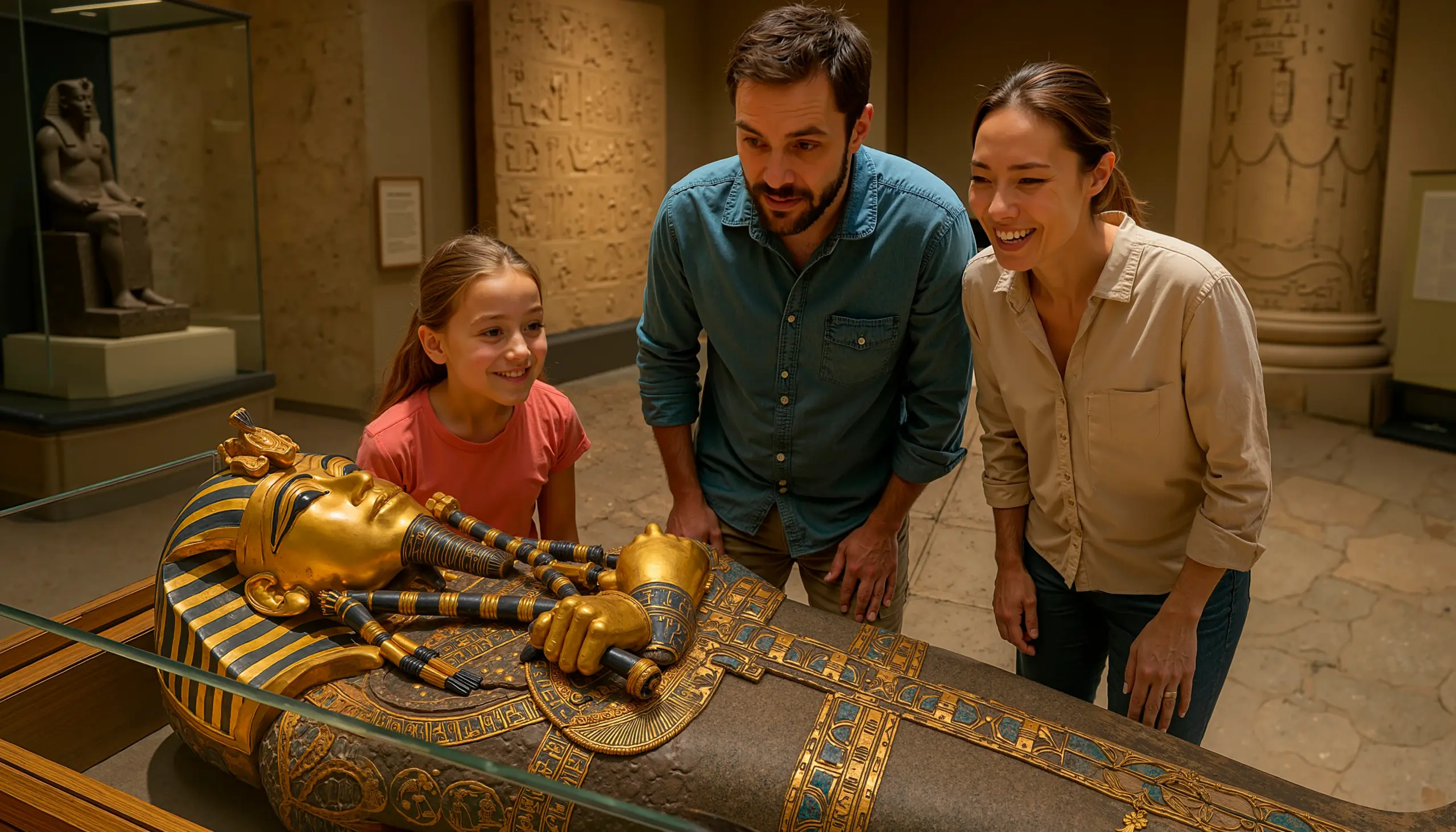
The transformation here is not about replacing authenticity, but about expanding access. When children can hold a replica of a Stone Age tool in their hands or stand inside a foam reconstruction of an ancient temple doorway, history stops being abstract dates and becomes a living experience.
What museum exhibits can be created from EPS foam
The possibilities for museum reproductions of exhibits from foam are very broad. They are used in almost all museum disciplines: from natural history to fine arts. This material allows you to recreate:
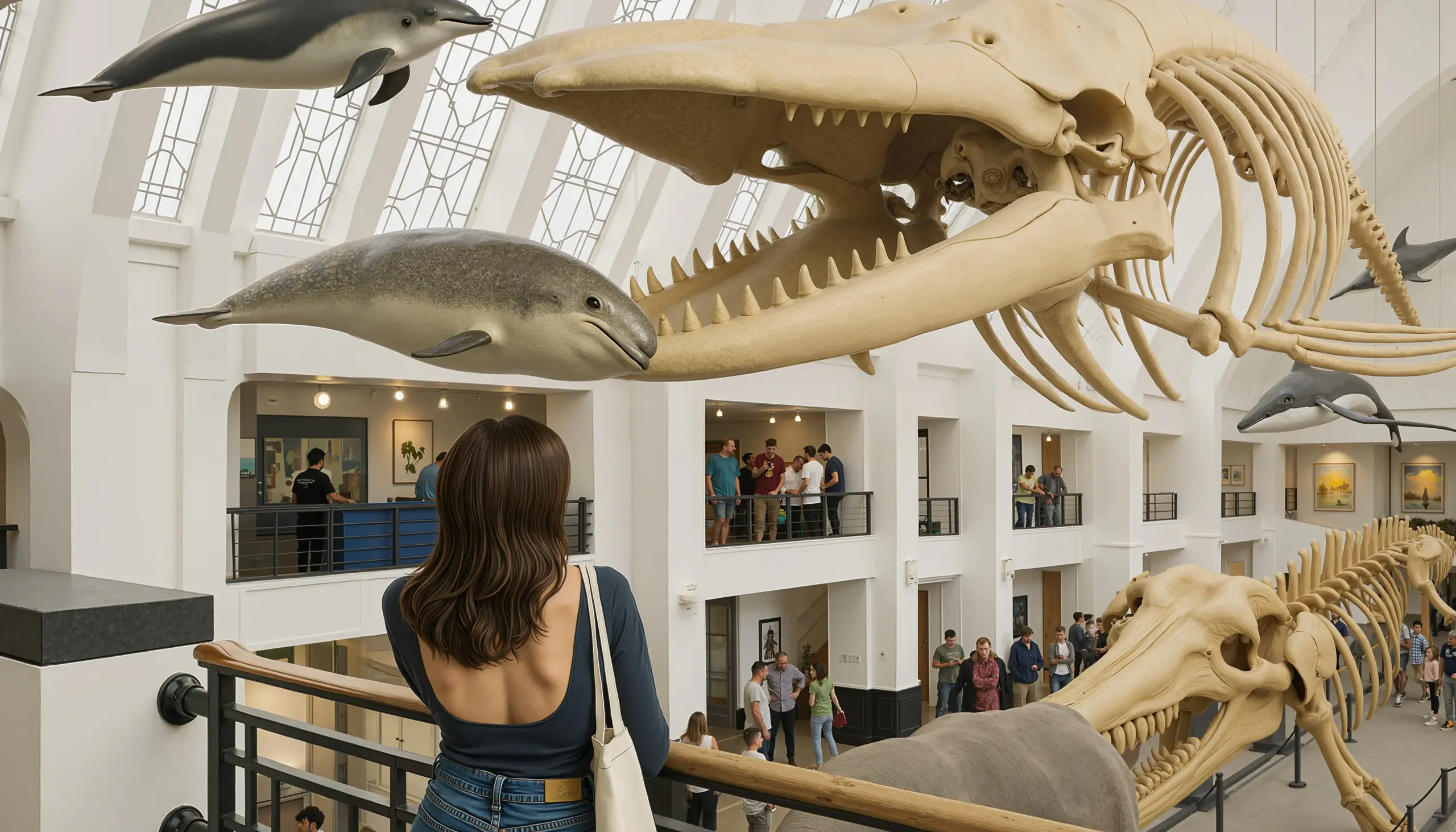
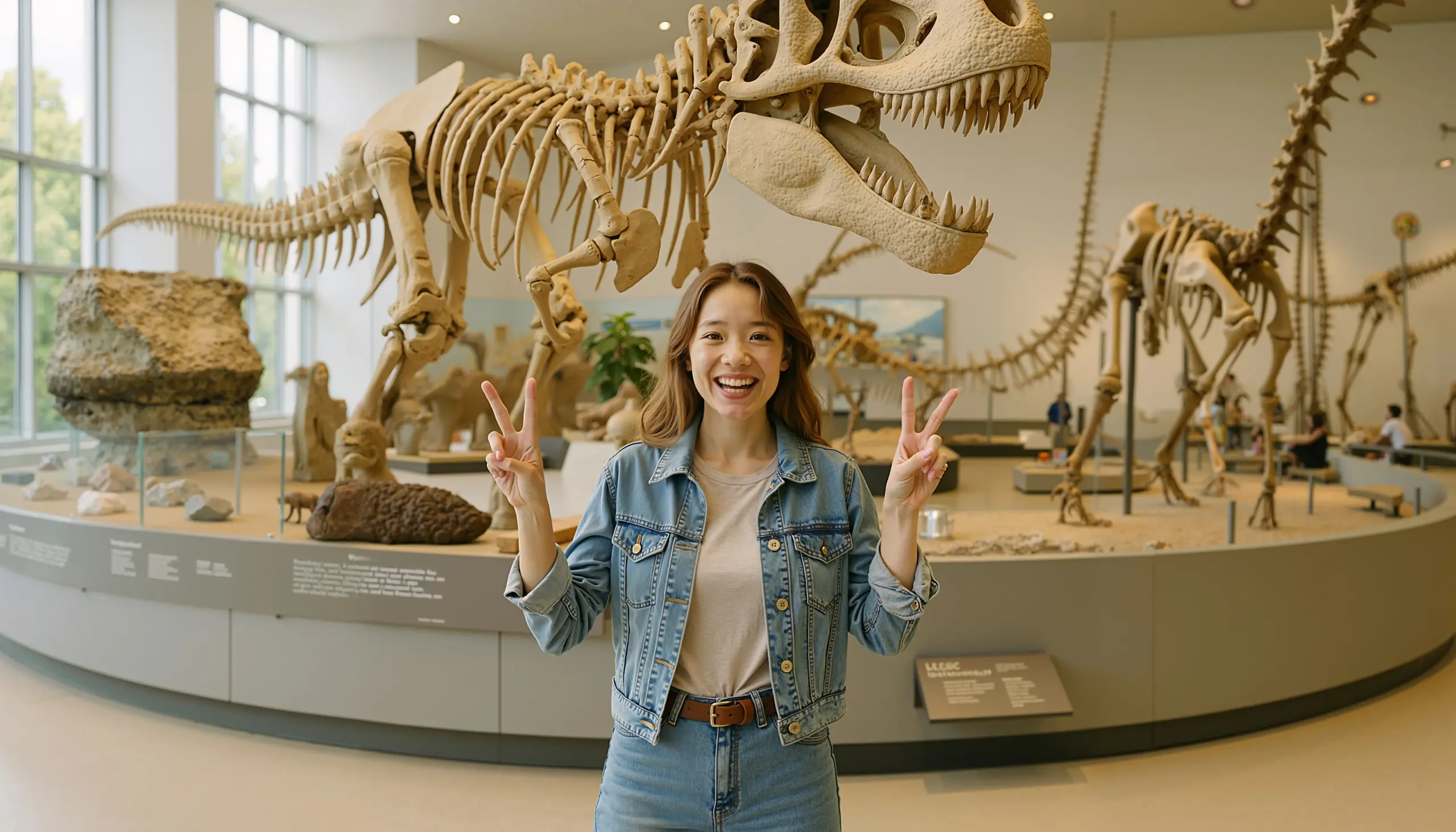
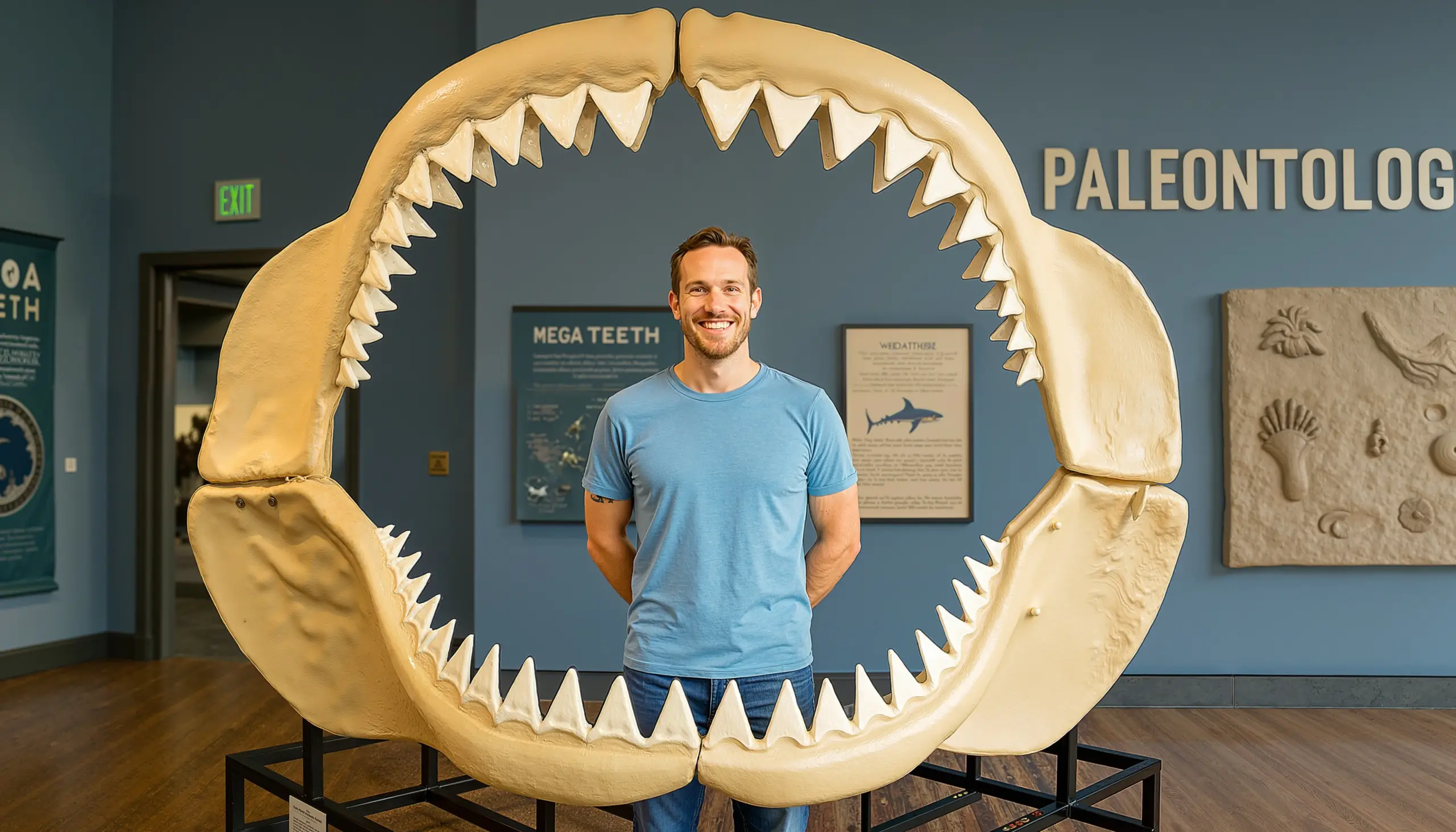
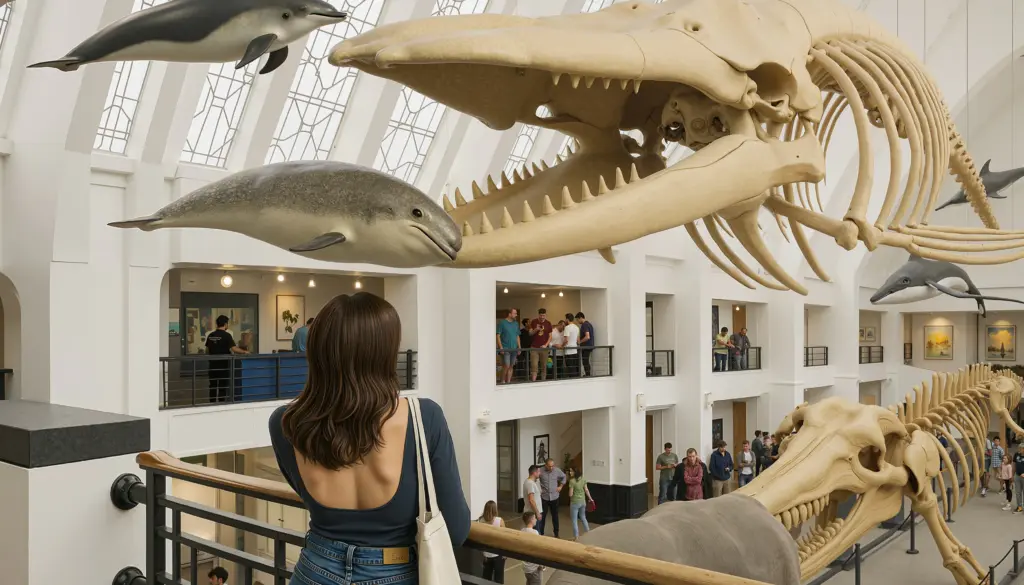
- Full-size dinosaur skeletons in dynamic and realistic poses;
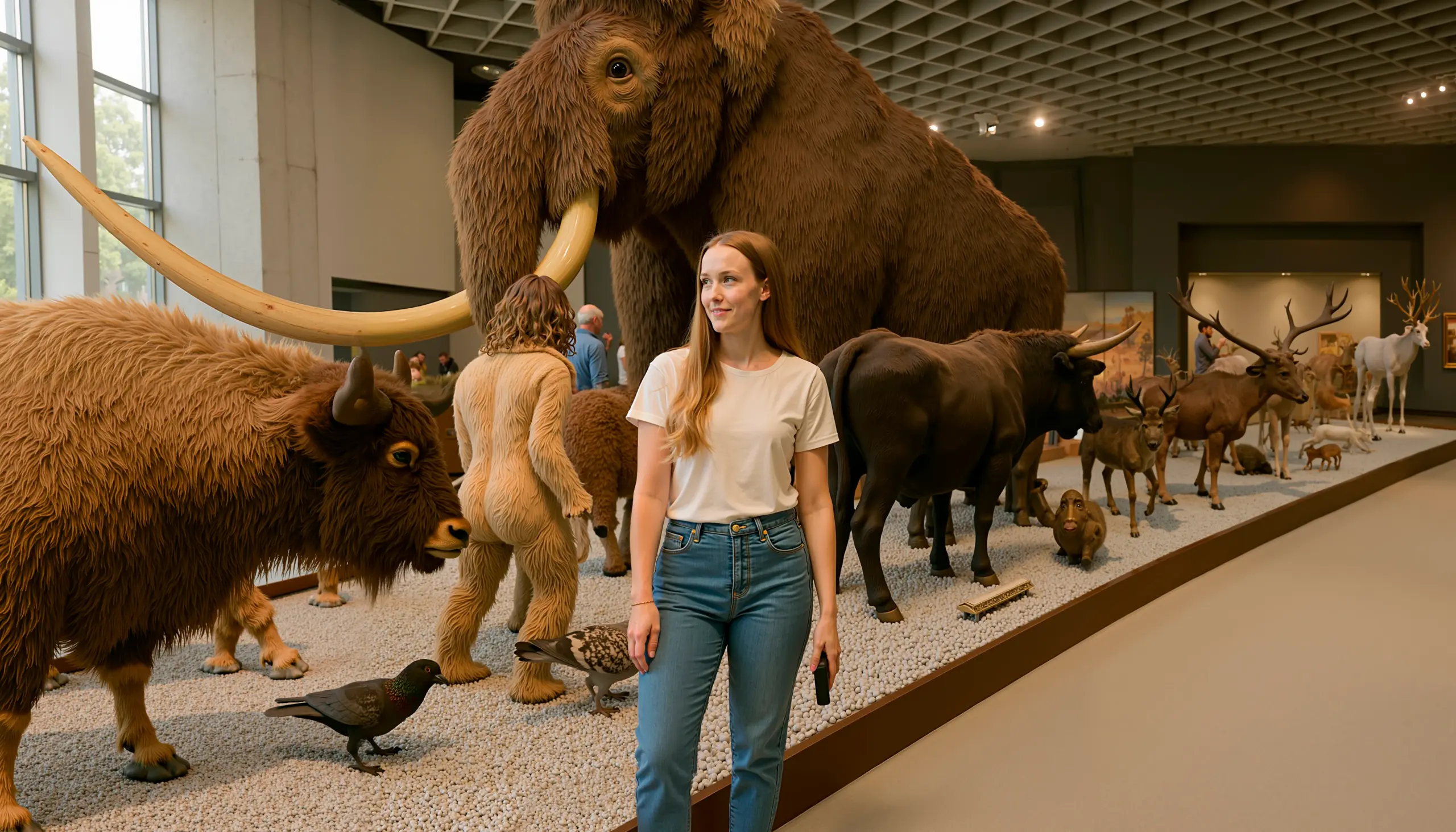
- Sculptures of extinct mammals;
- Geological formations and massive crystals;
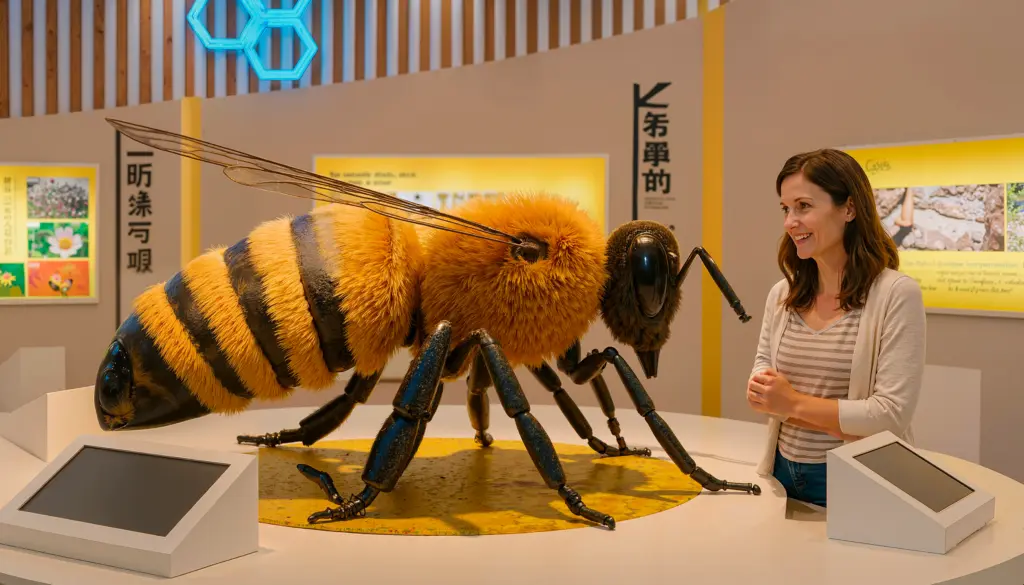
- Enlarged models of biological cells, microorganisms, molecules, and atoms;
- Models of ancient weapons;
- Models of ancient everyday objects;
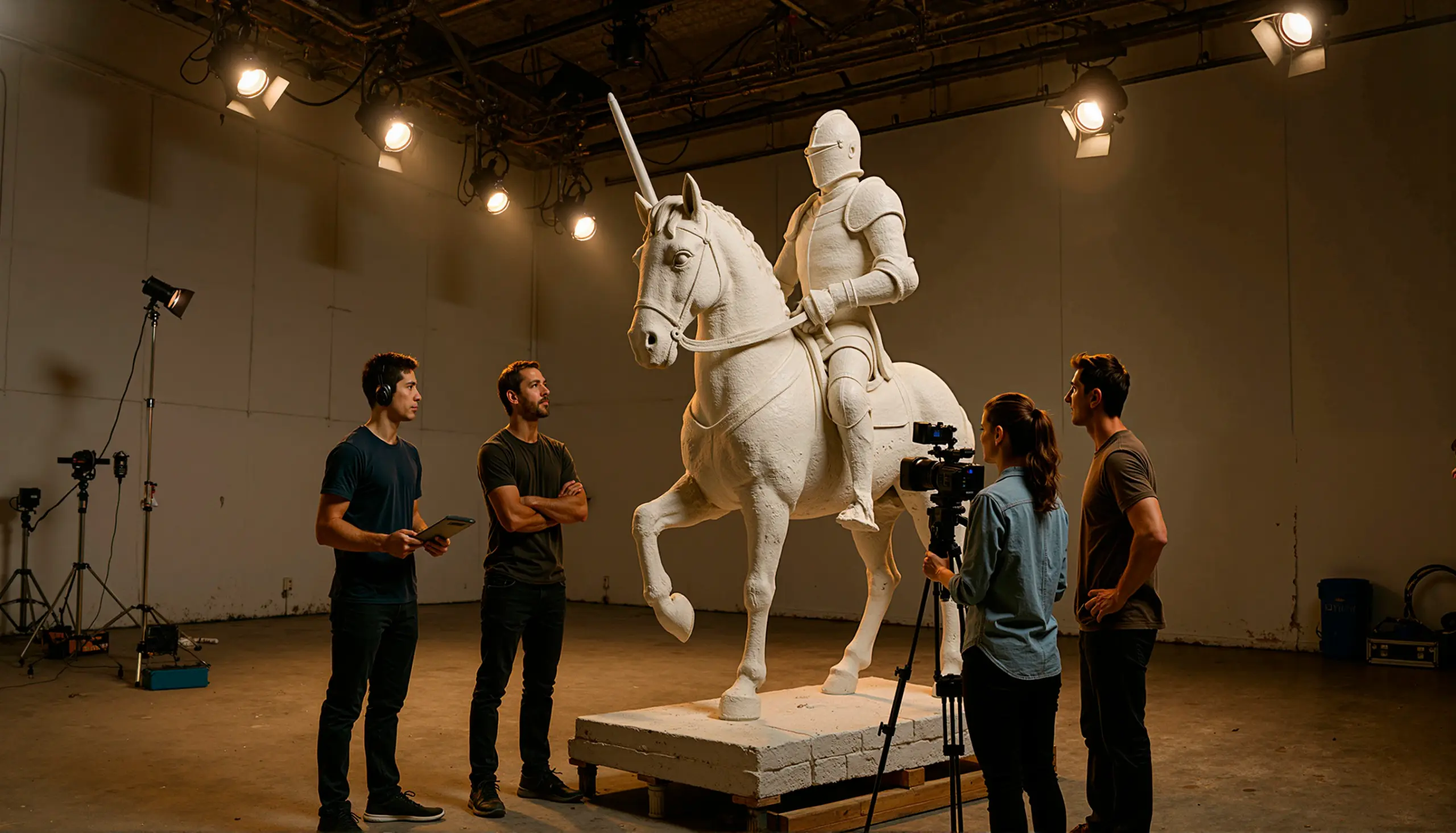
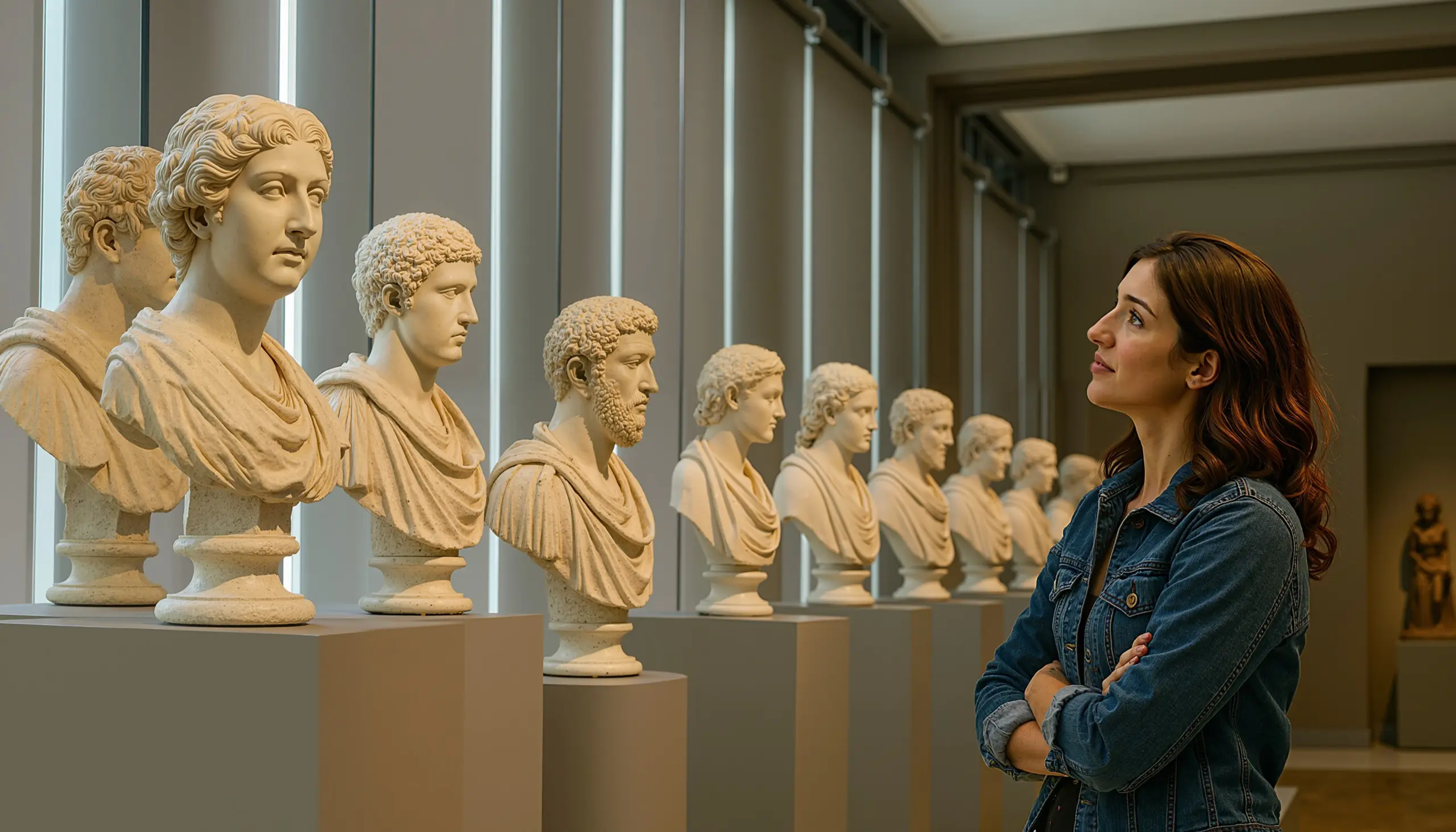
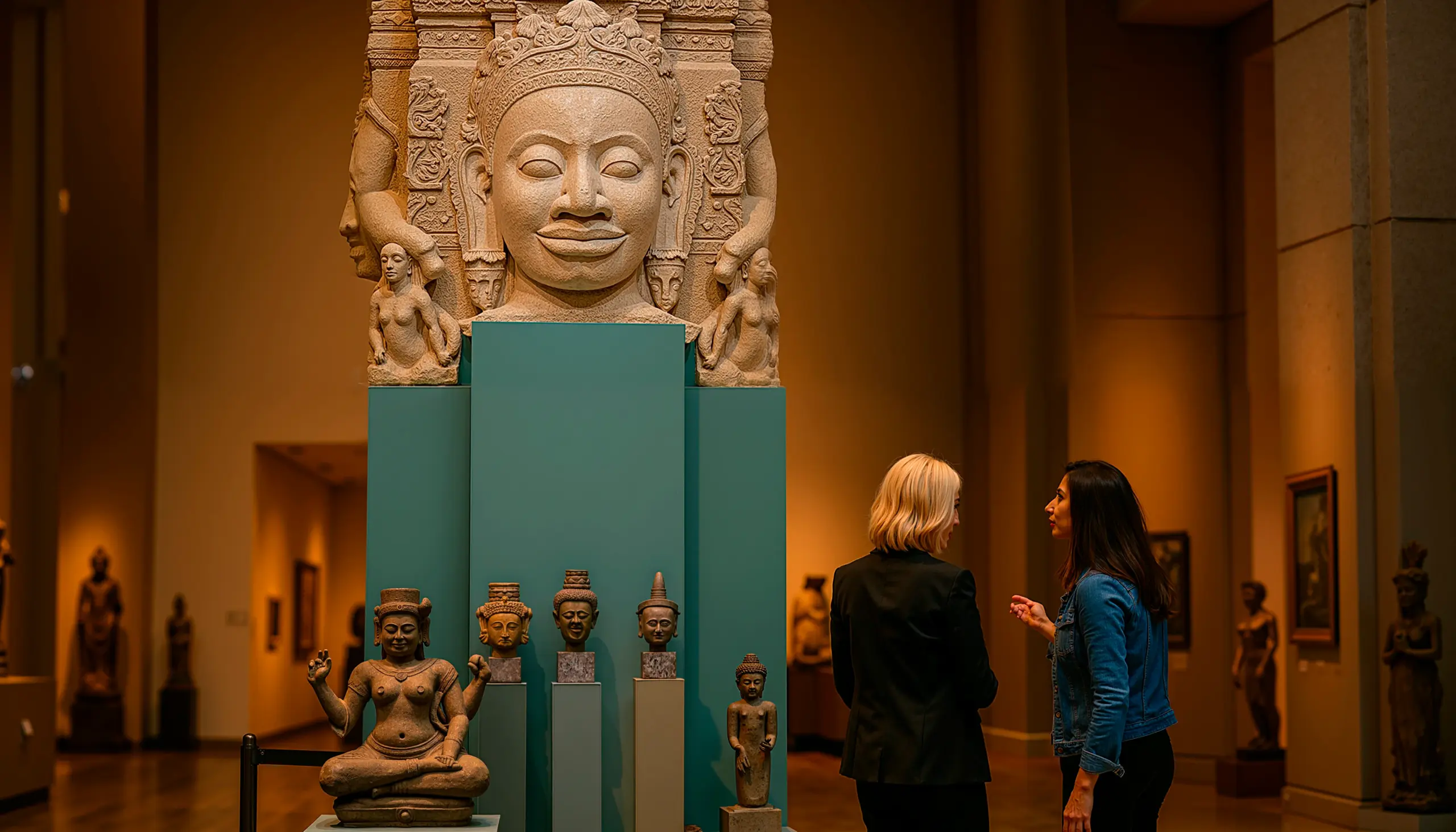
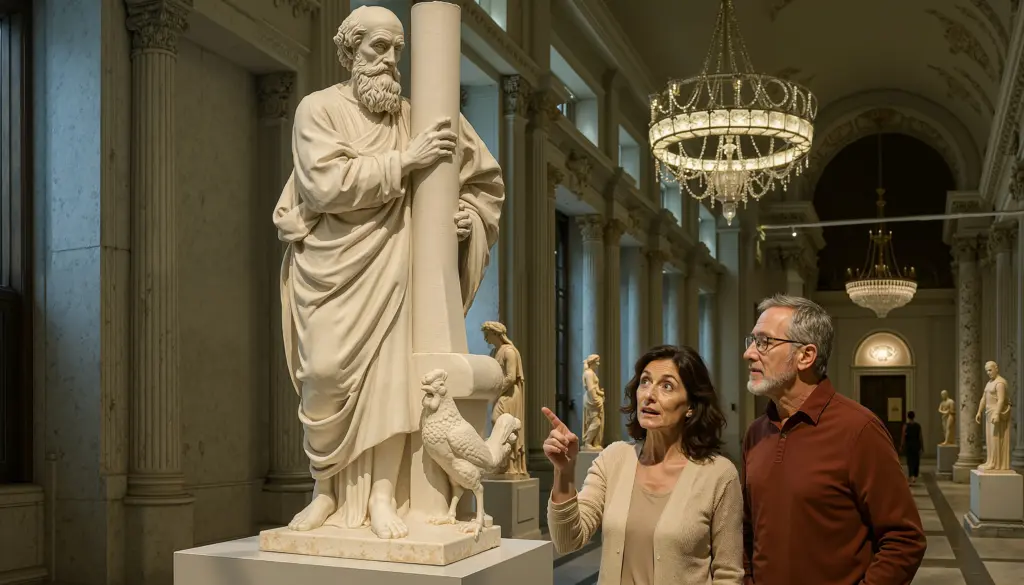
- Reconstructions of ancient statues;
- Fragments of architectural structures.
The list goes on and on. Royal Foam specialists can accurately recreate anything worthy of being displayed in a museum using EPS foam.
Why do museums prefer EPS foam replicas?
Creating reproduction museum exhibits requires careful choices of materials, techniques, and priorities. Traditional methods like plaster casting, resin molding, or fiberglass fabrication each have their place, but EPS foam offers a unique combination of benefits that perfectly match the needs of modern museums.
Extremely lightweight and versatile
 A life-sized Tyrannosaurus rex skeleton in authentic bone would weigh thousands of pounds and require massive structural support. The same replica in foam weighs a fraction of that – light enough to suspend from standard ceiling systems or transport in a regular truck. This weight reduction transforms what’s possible for exhibition design.
Museums can create dramatic overhead installations and build layered spaces with multiple large-scale elements. Traveling exhibitions become logistically feasible where they would otherwise be unprofitable.
Hand-sculpted precision for historical accuracy
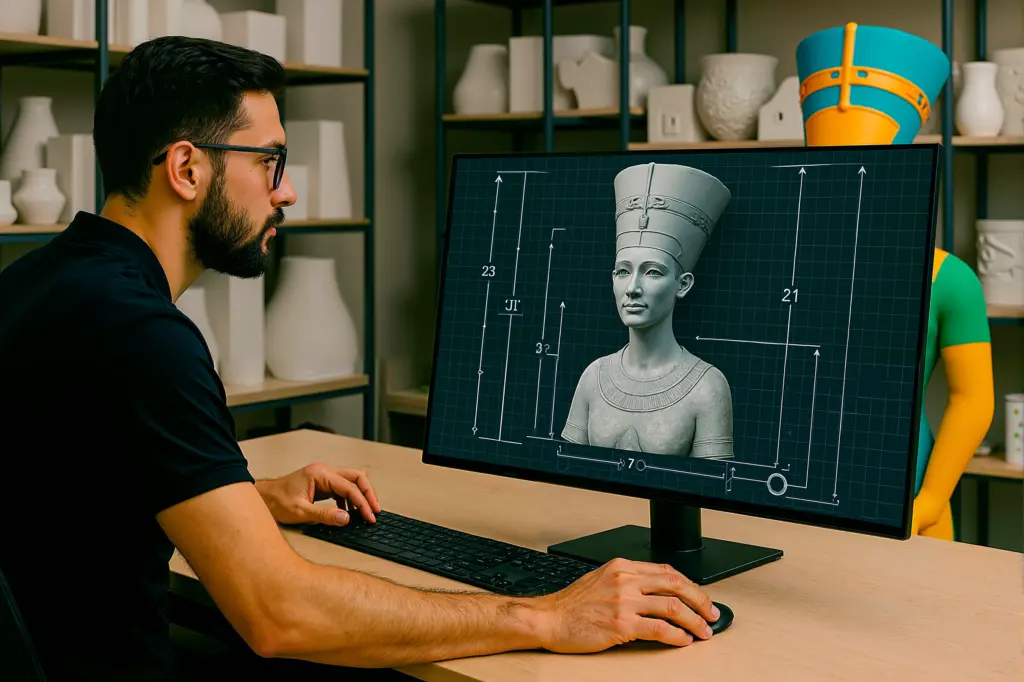
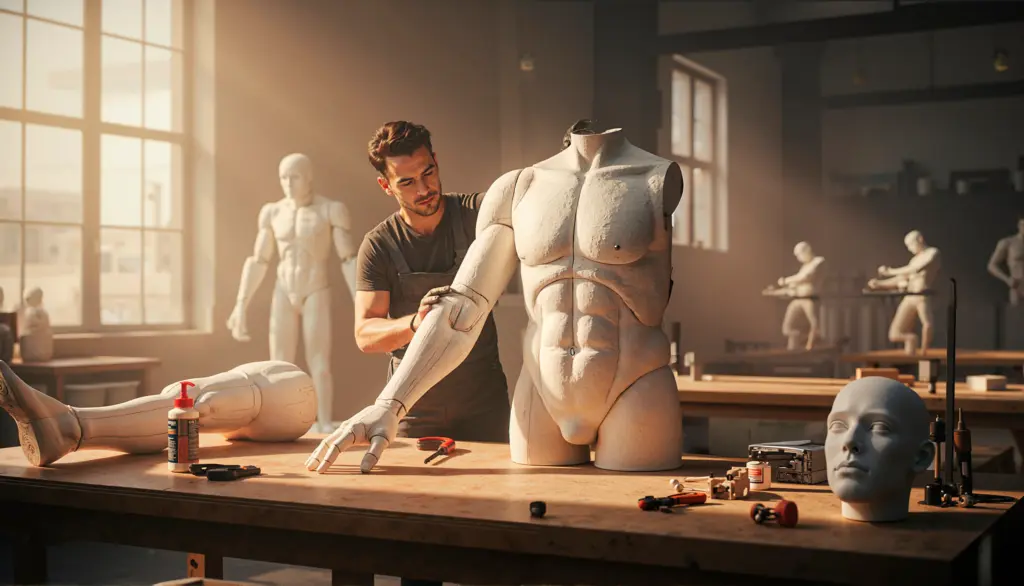
Unlike molded materials, which require pre-made molds, foam can be CNC-carved and hand-finished to match reference materials with exceptional precision. Whether recreating weathered stone textures, organic bone structures, or intricate decorative details, skilled craftsmen can achieve a visual accuracy that will satisfy both curators and visitors.
Thanks to special coating and finishing techniques, our core material accepts fine detailing, from the texture of ancient wood to the patina of aged bronze. The finished products are visually convincing and tactilely appealing, meeting two requirements: educational value and aesthetic quality.
Durability for high-traffic interactive exhibits
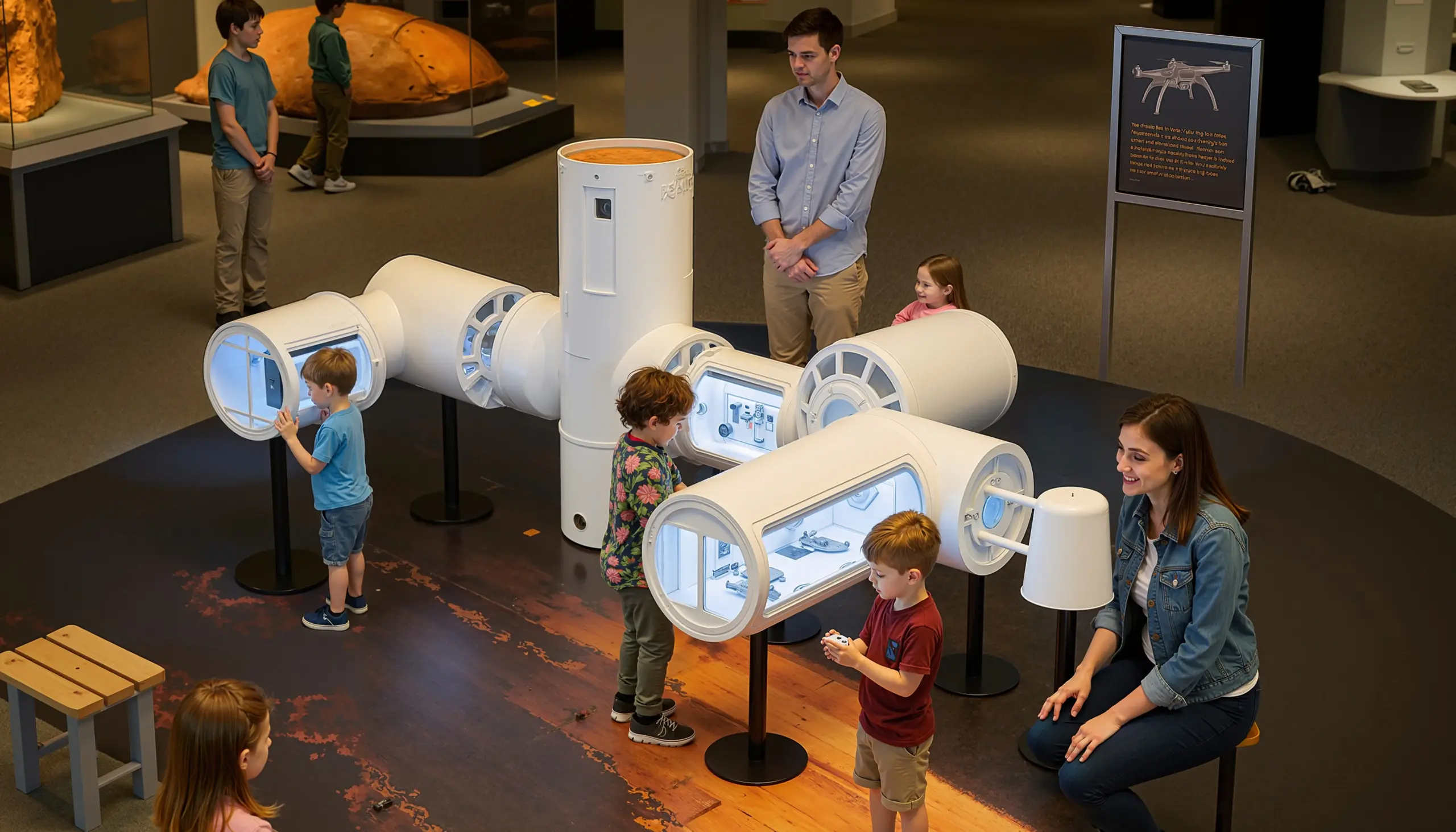
Children touch. Adults lean. School groups crowd around. Museum exhibits endure constant contact that would damage fragile originals or even many replica materials. The resilience of the EPS foam absorbs impacts without wear, maintaining its appearance for years of active use.
The material doesn’t chip like plaster, crack like resin, or deteriorate like certain polymers. It is stable thanks to its closed-cell structure. This means that it:
- doesn’t shrink in cool rooms;
- doesn’t expand in heat;
- does not deform over time.
All this is essential for preserving the integrity of exhibits, as well as for preventing gaps and inconsistencies in multi-component installations.
In addition, the closed-cell structure of the expanded polystyrene doesn’t allow moisture to pass through, and a special coating repels pests. Thus, museum replicas of exhibits cannot physically deteriorate. Models of metal objects won’t rust due to humidity. Faux wooden artifacts won’t rot or crack. Provide capricious artifacts with the right conditions – EPS foam copies will do the job perfectly in the exhibition hall.
Cost-effective production for comprehensive storytelling
 Budget constraints force difficult decisions: display one impressive original or tell a more detailed story using multiple exhibits? Foam fabrication’s cost-effectiveness allows museums to choose “both”. Create replica antiquities for exhibits that complement authentic artifacts, filling gaps in the narrative without exhausting acquisition budgets.
Why museums choose Royal Foam for exhibits’ reproduction
Creating replicas of antiquities for exhibits that meet both scientific standards and public engagement requires special expertise. Royal Foam has experience honed through projects ranging from paleontological reconstructions to cultural heritage recreations.
Our specialists also understand the other requirements imposed by museums. The fabrication team works in accordance with conservation guidelines, ensuring that the materials won’t damage nearby authentic artifacts. Fire safety, accessibility, and building codes are considered at all stages of design and installation. These aren’t secondary issues, but comprehensive solutions that prevent problems and ensure a smooth approval process.
Fast production without compromising quality
Museum deadlines can be unforgiving. Grand openings are planned. School groups are booked. Sponsors are invited. Exhibits must be ready on time – not almost ready, but complete, tested, and polished.
Streamlined production workflows ensure that museum replicas of exhibits are delivered on schedule. In-house fabrication eliminates the need to wait for multiple subcontractors. Effective project management allows us to advance work simultaneously at all stages. The result is consistent delivery that institutions can depend on.
Scalable solutions: from small details to monumental installations
Museum needs vary enormously. A small historical society might need a dozen touchable artifact reproductions for an interactive discovery room. A major natural history museum might require a 40-foot dinosaur and its surrounding prehistoric environment.
Our production capabilities cover this entire spectrum. Small, intricate pieces receive the same attention to detail as massive centerpieces. Even with multiple projects, quality never slips. Whether it’s a single replica or elements for an entire gallery, production is carried out according to uniform standards.
Building long-term institutional partnerships
Royal Foam approaches working with museums as relationship-building, not just project fulfillment. Our specialists are ready not only to discuss all the details of a future project, but also to gain a deeper understanding of the institution’s mission and the strengths of a particular collection. When starting work, we understand exactly where the future exhibit replica will be located and what audience will be viewing it.
Feel free to contact us with your ideas. We’re ready for any creative challenges. Let’s work together to bring ancient history, art, scientific achievements, and the latest technologies closer to people.