



















Window display design
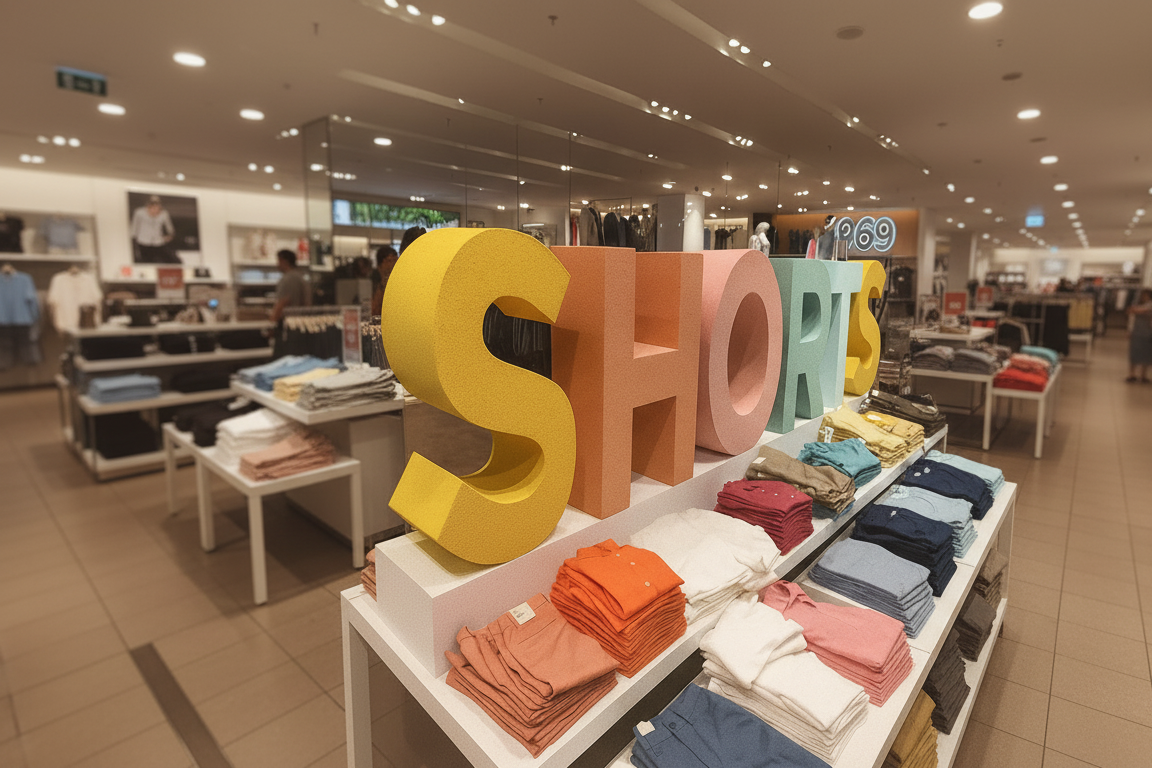
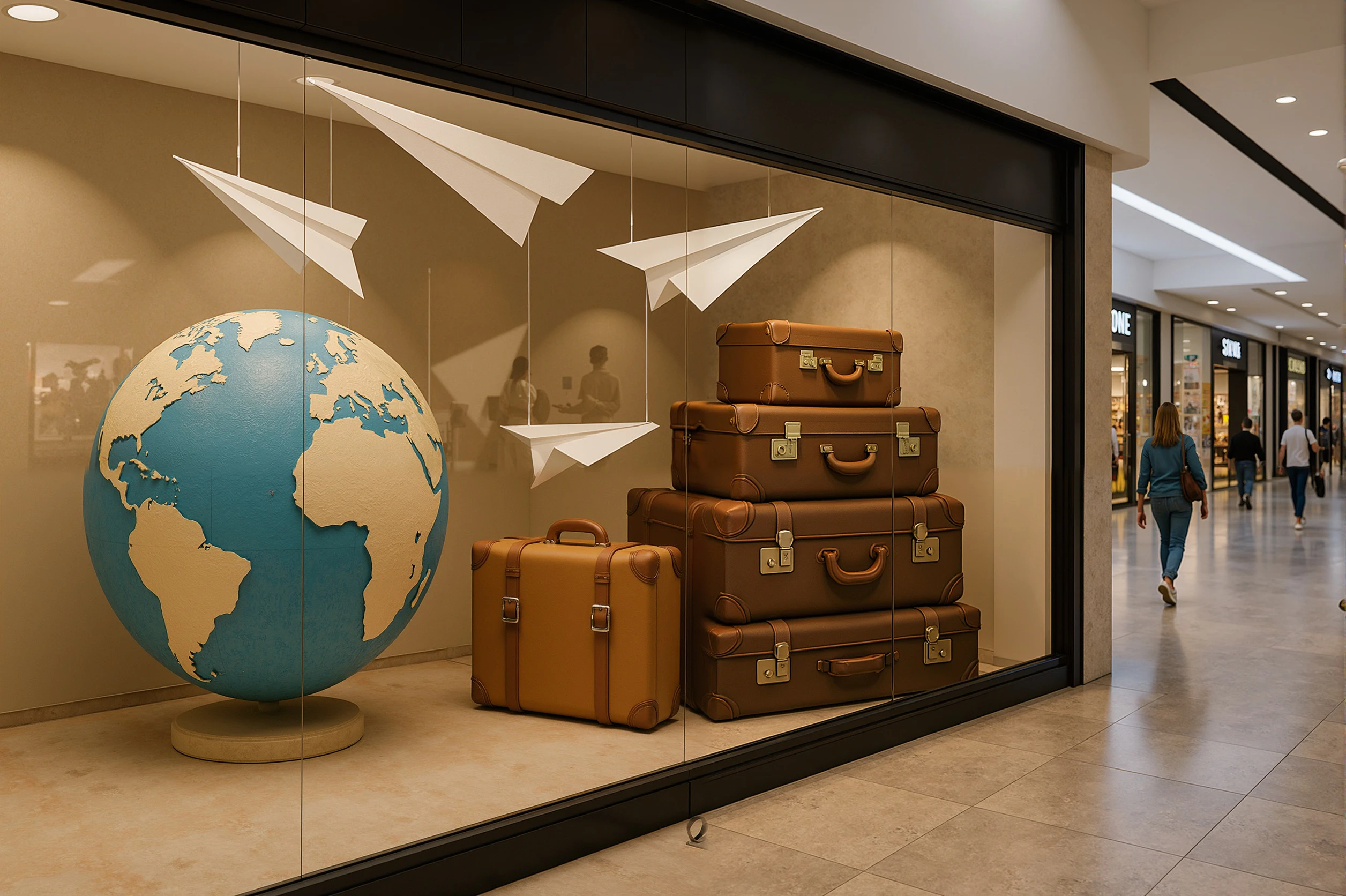
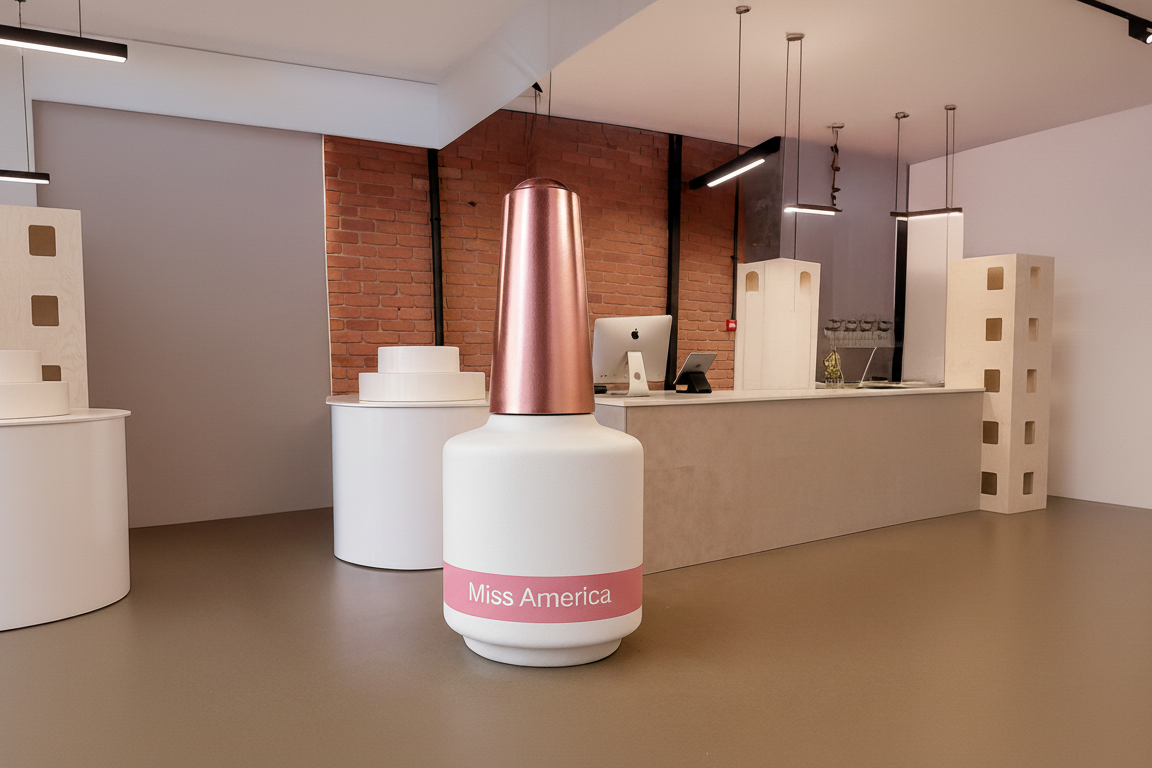
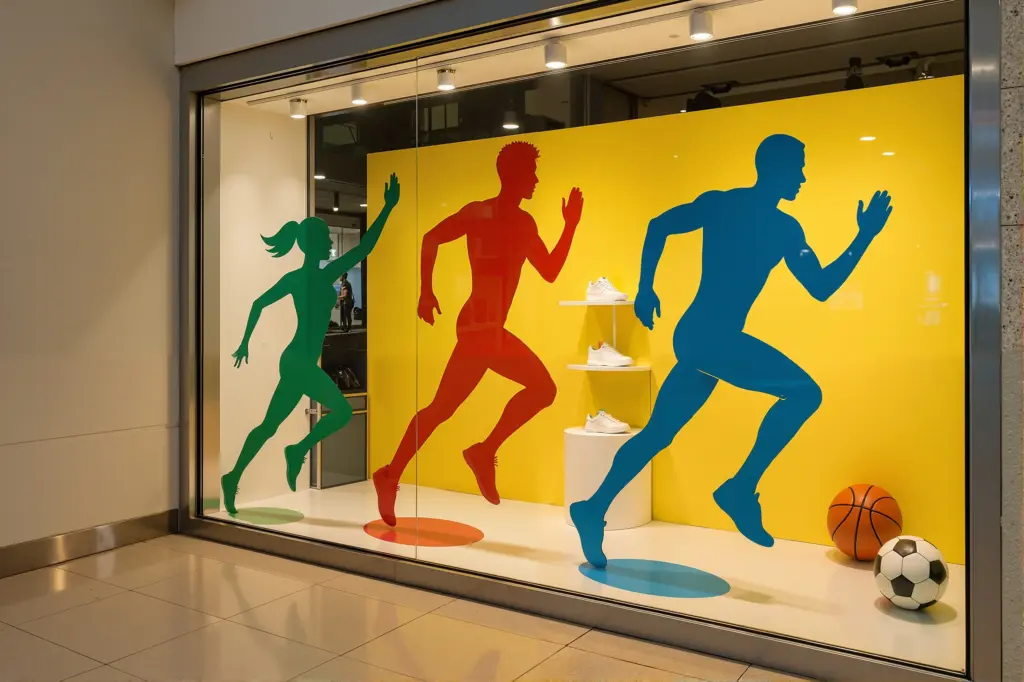 Storefront windows still matter, even in a world where most attention sits behind a screen. A good display quietly represents the brand — it doesn’t demand attention, but it invites people to stop and look. After twenty-five years in the field, we’ve seen store window display styling shift from seasonal decoration to something much closer to architectural communication.
Today, whether it’s a luxury boutique, a national retail brand, a creative studio, or a marketing agency, everyone expects more from their displays. They need solutions that stay reliable, install easily, keep weight off the storefront, match colors accurately, and allow room for creative ideas without creating additional risk. Foam made this possible by offering shapes, textures, and design freedom that heavier materials simply can’t support.
This is the point where retail window display styling, creative window display styling, retail window display styling, fashion-oriented concepts, and luxury store window display styling meet durability, engineering logic, and consistent brand identity.
The evolution of window displays
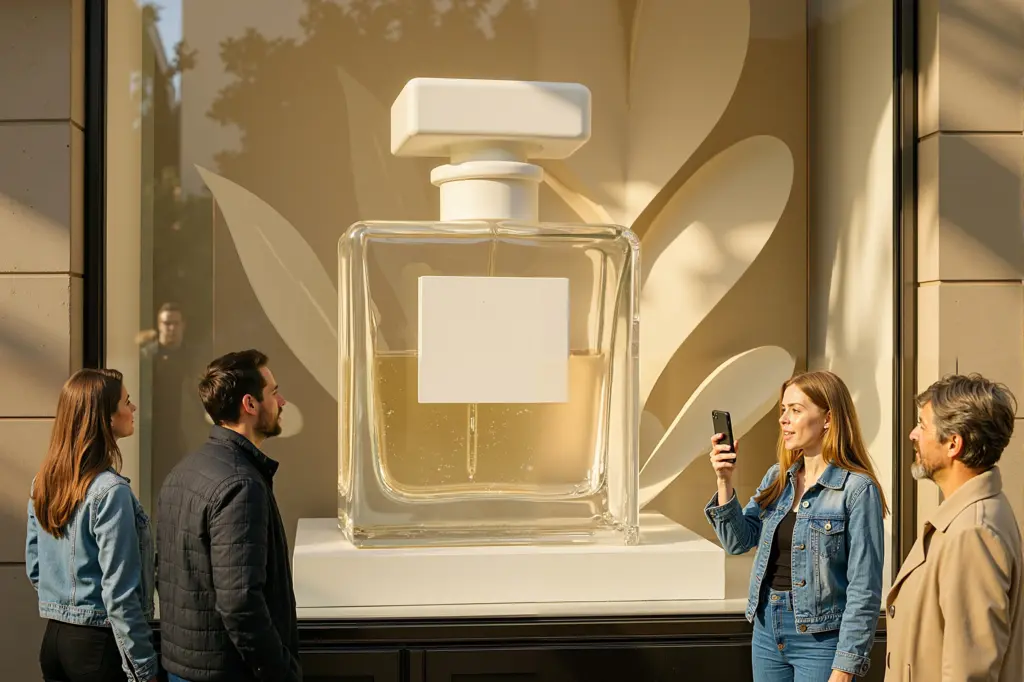 If you take a step back and look at the earliest storefront windows – late 1800s, early 1900s – they didn’t just “show products.” They performed. They were tiny theaters crammed behind glass. Heavy velvet drapes. Backdrops someone probably painted for days without a break. Wood frames carved so delicately you’d think the craftsman had nothing but patience and lamplight. Beautiful? Absolutely. Practical? Not in the slightest. Half those setups looked like they could give an installer a hernia on the spot.
Then, as it always happens, the world turned a page.
Mid-century modernism came in with that cool, measured confidence — the kind that doesn’t need to raise its voice. Clean planes. Honest geometry. Breathing space. The drama faded, and architecture started whispering instead of shouting. Fewer props. More clarity. Less fuss. The whole thing felt like the industry collectively exhaled.
Fast-forward to the ’80s and early 2000s, and the pendulum swung like it was trying to break the clock. Suddenly everything glowed, shimmered, or reflected. Chrome everywhere. Neon buzzing like a Vegas weekend. Props so huge and glamorous they practically demanded their own zip code — and weighed about as much as a compact car. Moving even one piece required a full crew, a truck, patience, and, very often, a chiropractor on standby.
And then — almost in the background, without fireworks — foam stepped in.
No theatrics. No swagger. Just quiet capability. Designers started noticing they could shape it into almost anything: stone that looked like it had survived a century of weather, metal that felt forged, wood that begged you to knock on it just to check, delicate plaster details without the heartbreak of plaster itself. Bit by bit, foam rewrote the rules. Those infamous project-meeting questions — “But how are we mounting this?” “Where do we store it?” “Can the glass even hold it?” — started disappearing.
Which brings us to today.
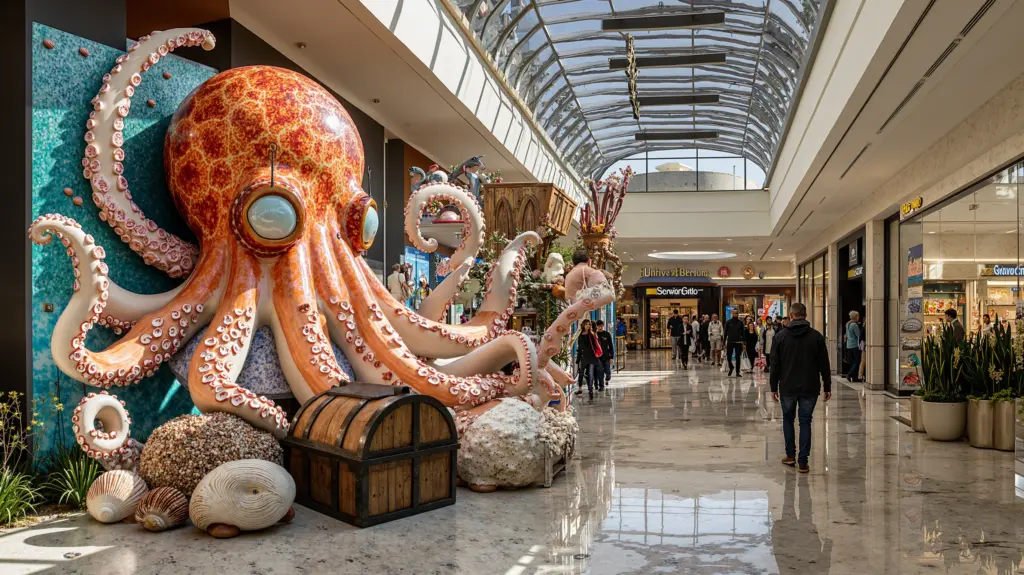
Store window display styling sits right between art and engineering, in that strange, exciting space where visual storytelling meets material science and craftsmanship. Every project blends intuition, structure, imagination — sometimes in ways you only appreciate after installation day. And at the center of all this evolution, quietly doing the heavy lifting without actually being heavy, is foam: adaptable, steady, patient, and far more capable than anyone thought when it first entered the scene.
What window display design includes
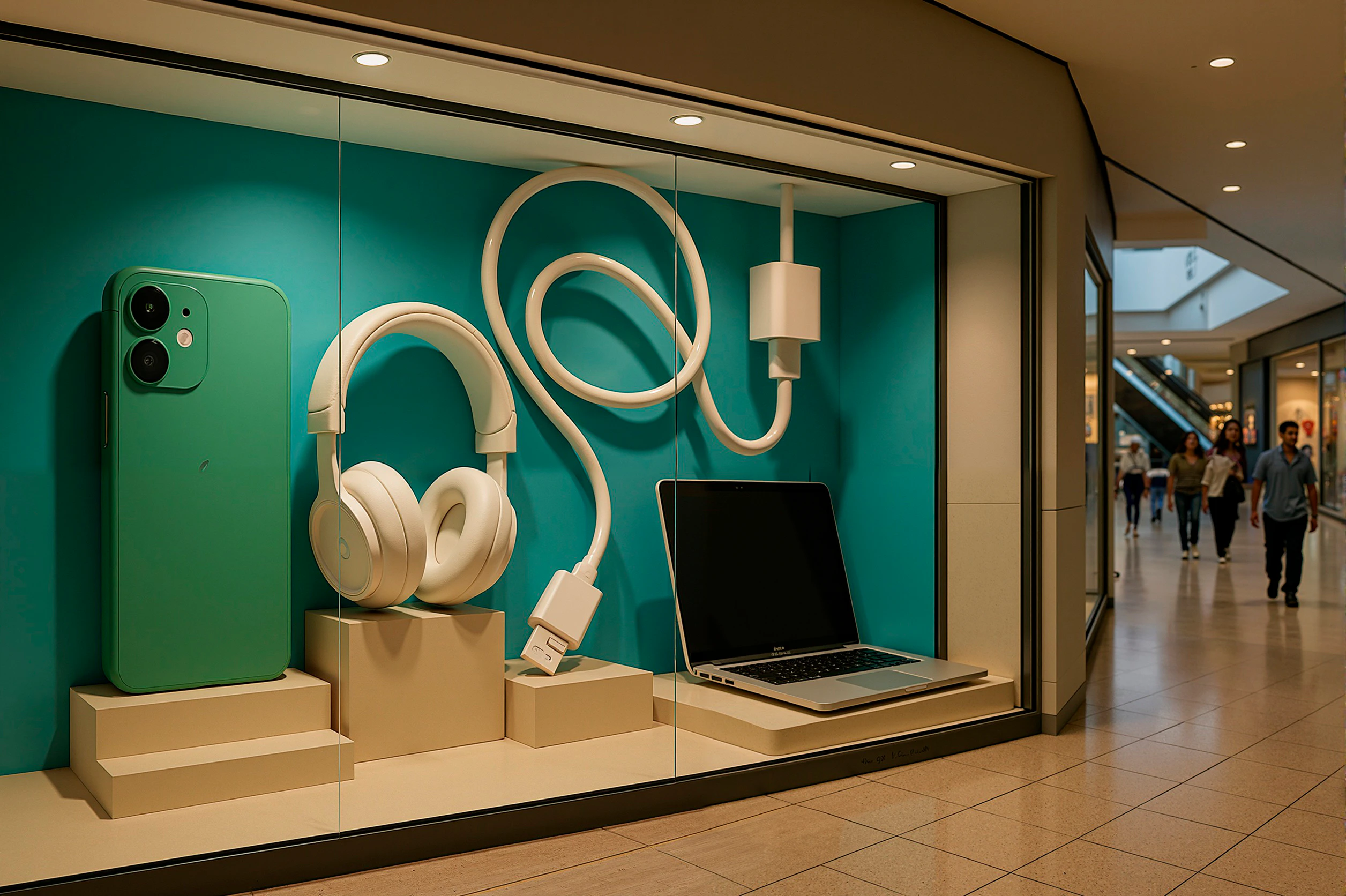
A retail window display isn’t just a single architectural element — it’s an entire system that shapes how a customer perceives the brand as a whole. It has its own structural composition built on proportion, depth, rhythm, and character. Every detail supports the next, creating a cohesive visual story that immerses the viewer in the brand’s world. The materials used in developing a window display play a key role in bringing that concept to life.
Textures matter, but so do weight, stability, installation feasibility, and longevity. Foam balances all of this effortlessly.
| Core components | Description |
|---|---|
| Brand integration | Color, lighting, texture, shapes that echo a brand’s design language.
In Atlanta, we created a “sculpted brass” backdrop — except it wasn’t brass at all. Foam delivered the look without the load. |
| Technical precision | Engineering documentation and exact measurements ensure installers aren’t solving puzzles on-site. |
| Durability | Displays should stay sharp and stable — no warping, cracking, or swelling. Foam ensures long-lasting reliability. |
Types of retail window displays
| Types of retail window displays | Description |
|---|---|
| Minimalist window displays | Subtle, controlled, intentionally quiet. |
| Geometric sculptural layouts | Dynamic shapes, layered geometry, rhythmic visual movement.
A retailer in Buckhead wanted “geometry that feels like jazz.” Oddly enough, that’s exactly how it turned out. |
| Luxury-focused displays | Deep, intricate textures, architectural expression, and a range of finishes that mimic stone and metal surfaces.
For example, in Naples, a faux-bronze foam column actually fooled the mall’s maintenance staff — that’s how realistic it looked. |
| Fashion-inspired concepts for retail window displays | Bold tones, expressive forms, dramatic silhouettes.
In Tampa, for instance, we created oversized “fabric folds,” and they looked so convincingly soft that people instinctively stepped back, as if the fabric might actually fall over them. |
| Creative & experimental installations | The “anything is possible” category.
Some projects resist templates entirely — they live in their own rhythm, appear in a designer’s mind, and then come to life through foam. Once, in Jacksonville, we produced a set of floating, melting clocks. On paper it looked like a playful, Dalí-style surrealist sketch. In reality, it became a magnet — people stopped, took photos, brought friends, circled back later. It was brighter, bolder, and far more impactful than anyone expected. |
Materials & technologies
Digital precision cutting
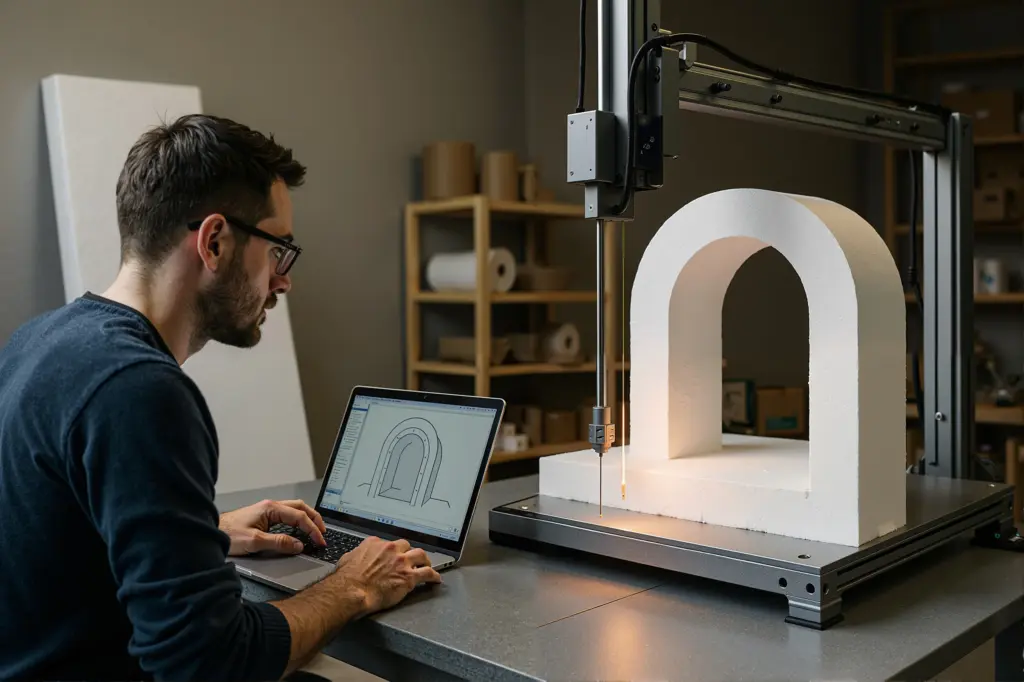
When people hear “CNC”, they usually imagine a clean machine carving clean lines. Sure, it does that — but it does more. Up close, you can almost feel the quiet confidence of the movement. No drifting. No hesitation. Whether the design calls for a soft, sweeping curve or one of those complex geometries designers send us just to see if it’s possible, CNC just handles it – steady, patient, exact.
3D visualization of store window display
Before a hot wire meets material, the entire display already lives in 3D. Designers start adjusting proportions. Contractors mentally walk through the installation. All the little fixes – the ones that usually show up at the worst possible moment – get solved early. And once that happens, schedules suddenly stop feeling like ticking bombs.
Hand finishing
This is where the personality shows up. Machines shape the body, but hands shape the character. We sand, carve, soften, sharpen — bit by bit the form gains texture, depth, attitude. Clients often ask whether a piece is really foam. And honestly, we enjoy watching that confusion.
Multi-layer coatings
Think of coatings as the piece’s wardrobe: every layer has a job. One seals the surface, another builds strength, the next adds body or texture. Layer by layer, foam transforms into bronze, limestone, concrete, oak, oxidized metal — anything you need it to be. Without the weight. Without the fragility. Without the transportation nightmares.
The Battle of the Materials — professional comparison
| Comparison | Summary/Conclusion |
|---|---|
| Foam vs. Metal | Metal has presence, but weight, reinforcement needs, and limited curves make it impractical. Foam gives the same look at 80–95% less weight. |
| Foam vs. Wood | Wood is warm but moody – humidity changes everything. Foam stays true to shape and mimics wood grain without maintenance. |
| Foam vs. Plaster | Plaster is beautiful and fragile. Foam delivers the same detail minus the cracking, chipping, weight, and shipping risks. |
| Foam vs. Composites | Composites resist sculptural freedom. Foam embraces curves, depth, and intricate patterns. |
| Bottom line: foam consistently solves the limitations other materials create. | |
Where store window displays are used
Luxury boutiques
They want sophistication without structural impact. A Palm Beach jewelry boutique used lightweight foam “limestone” frames – elegance without reinforcing the building.
Retail chains
Consistency, scalability, quick turnarounds. An Atlanta retailer used modular elements to refresh windows seasonally with almost no extra labor.
Pop-up store window display style design
Is incredibly expressive, quick to install, lightweight, and fully mobile. Once, in Wynwood, we created a pop-up structure with oversized foam leaves – and they fit into a regular SUV. No freight truck needed.
Shopping renters
Require décor that’s durable and easy to rotate. A Tampa mall updates their installations frequently without commissioning new builds.
Showrooms
Architectural backdrops that set the tone. In Orlando, faux-concrete panels reshaped the interior atmosphere without any structural work.
Artistic installations on store window displays
The “photograph me” factor. That melting clock in Jacksonville still makes its rounds online.
What makes working with us different
Clients don’t choose us because we “make foam pieces.” That’s not the point.
They stay with us because we operate like a practical, design-minded engineering partner – the kind of team that actually understands how tight deadlines feel, why the visual has to be exact, how budgets stretch (or don’t), and where hidden risks tend to hide.
Where ideas for store window display start taking form
During the earliest stage, we help refine the direction – not by taking over, but by clarifying what the display needs to communicate. After twenty-five years of solving unusual and sometimes downright wild design requests, we’ve learned how to spot challenges before they get expensive.
Shaping the store window design with precision
We build detailed 3D models, confirm structural logic, match colors, anticipate installation steps, and eliminate uncertainties that could slow down a project later. Architects appreciate the accuracy. Contractors appreciate the predictability.
Crafting the final piece
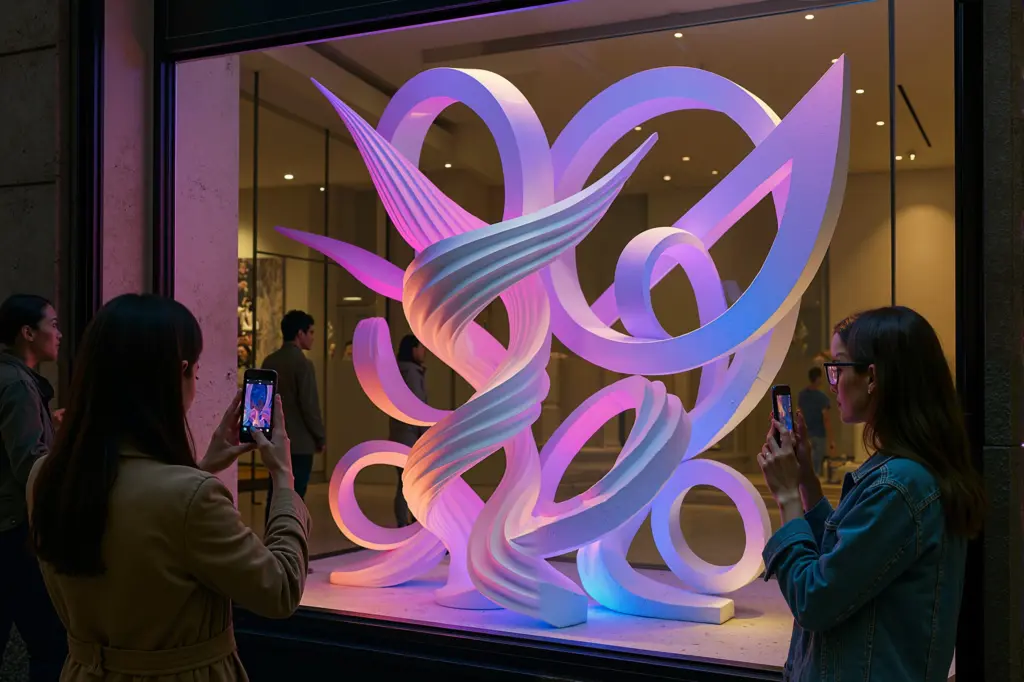 Everything is made in the USA.
Coatings are environmentally responsible.
The surfaces are finished by hand, and the shapes are cut using digital laser technology. After that, each piece is refined manually by our artisans. We perform full quality control before shipping and carefully inspect every architectural element. Delivery and logistics are planned with attention to detail — we work with several transportation partners who help us ship even the largest architectural components safely and reliably.
Our transportation is handled through companies we work with on a regular, ongoing basis. Even the largest architectural elements are delivered safely and fully intact. And while foam isn’t exactly crystal, proper packaging and the right logistics ensure that every architectural piece arrives in perfect condition, ready for installation.
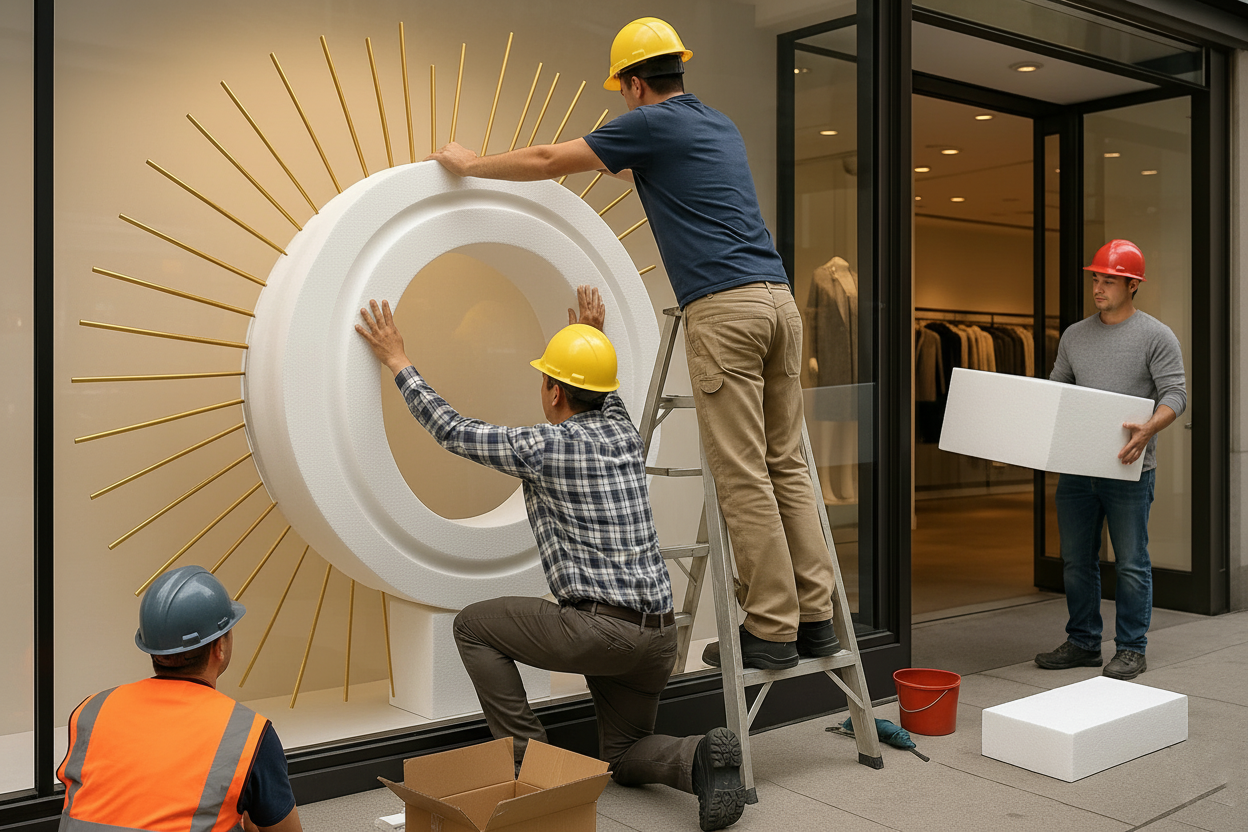
 Installation of store window displays won’t turn into a guessing game. It’s real guidance, not guesswork. We provide all drawings and technical documentation so the installation process is quick, clear, and hassle-free.
Whenever possible, we assemble and prefabricate architectural elements so that installation takes less time and the seams look perfect – especially in the most visible areas. As a result, you don’t just get well-designed windows; you get thoroughly considered, fully customized displays made from materials that last not just for years, but for decades. Installation becomes easier on your team, your budget works more efficiently, and you gain a long-term partner who can bring any design idea to life.
Modern retail window display styling is a blend of aesthetics, psychology, engineering, and overall brand positioning. Foam has opened the door to unconventional shapes, lighter installation, faster approvals, and a smoother, more efficient creative process. And when you work with a team that understands your intentions, your brand’s character, and the technical side of the job, you ultimately get a display that leaves a lasting impression – and delivers real economic results.
If you’d like to explore design ideas or request a quote, we’re always here and ready to help. Feel free to reach out.