


















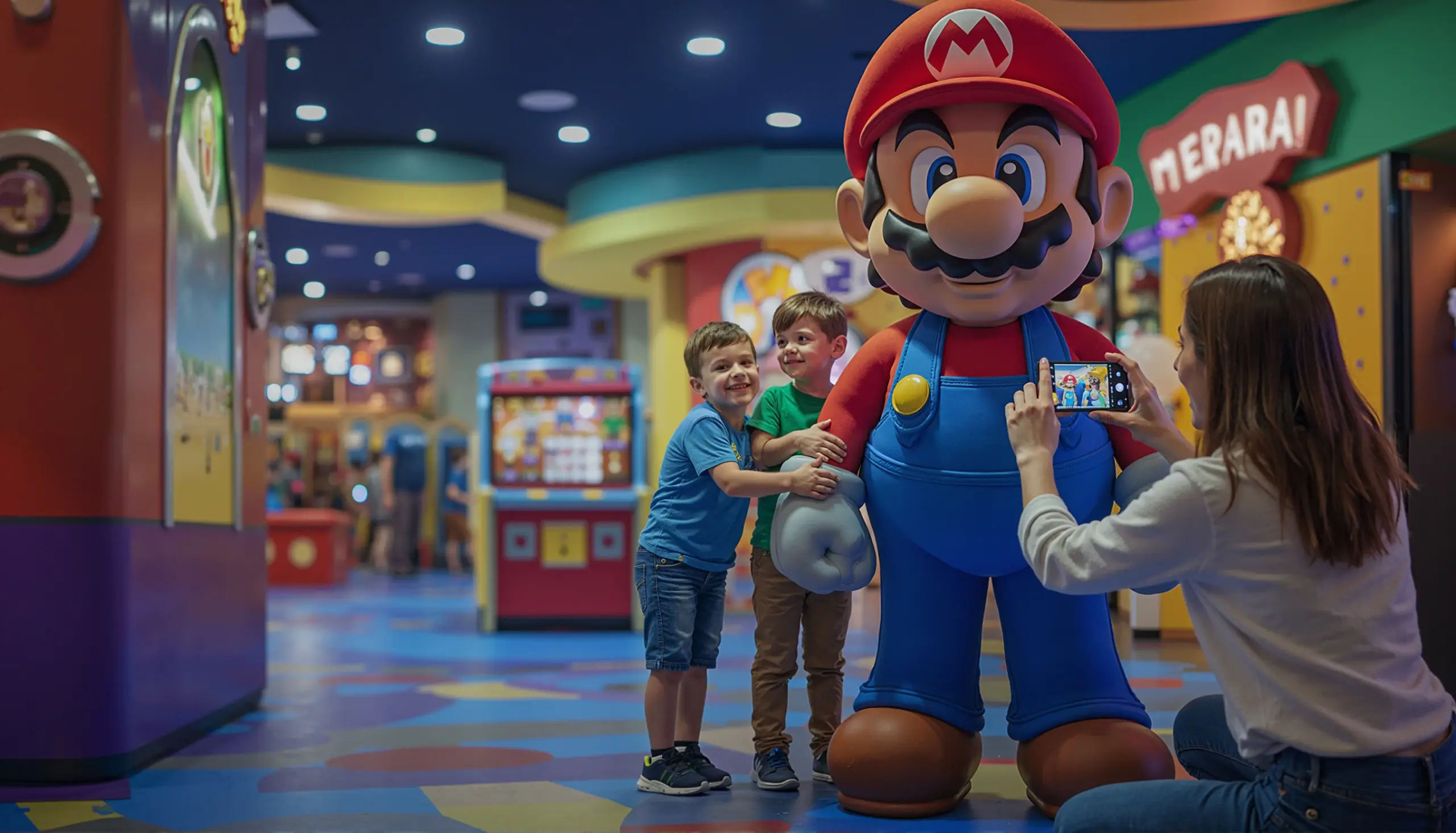
Foam characters
 In architecture and design, there are moments when a seemingly small form or a tiny visual element ends up carrying an unexpectedly powerful impact. Sometimes a single detail can shape the entire character of a project – speaking louder than a full presentation or even an entire trade show booth. This happens especially in projects where the physical space itself becomes part of the message you want to communicate to visitors.
For example, when designing retail environments, creating branded installations, setting up corporate event zones, developing hospitality areas, building university campus spaces, or producing experiential activations, that one thoughtfully designed element can transform the whole narrative. Foam 3D characters are a perfect solution for exactly these kinds of tasks. They are lightweight, durable, easy to install, and incredibly flexible in terms of design. We can produce any style you envision – delivering a truly custom project that expresses the identity of your space and transforms a creative idea into a predictable, buildable, and visually striking result.
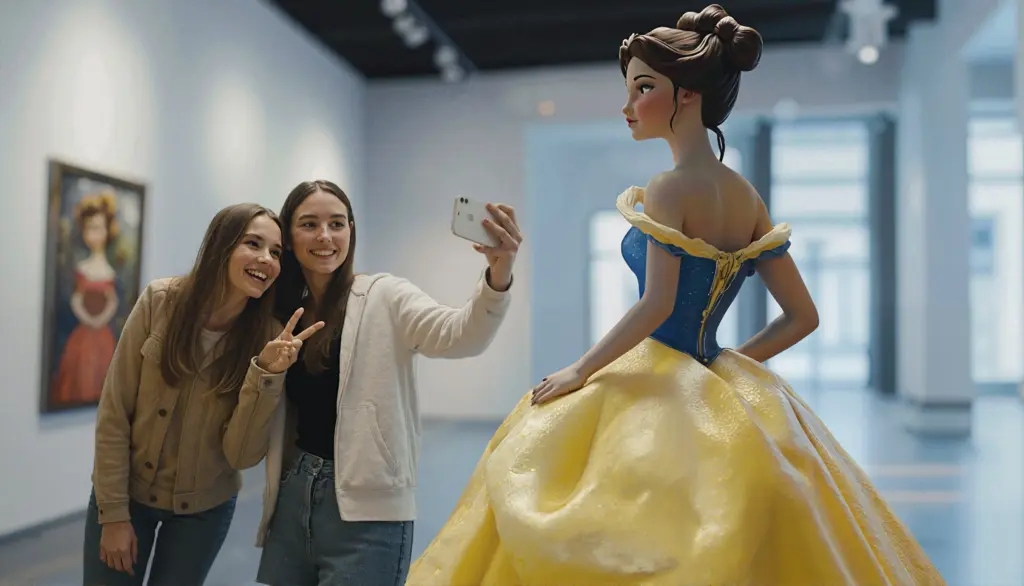 Over more than 20 years of work, we have produced both small foam board characters, foam board and large-scale foam character installations, and we’ve watched the industry evolve dramatically. Back in the early 2000s, clients mostly chose wooden or metal letters. But as architectural foam entered the market in the 2010s and foam-based architectural elements developed further, foam quickly gained trust. Clients started choosing it more and more because it is lightweight, strong, faster and easier to install, and capable of achieving an incredible range of visual effects — sometimes even effects that natural materials simply cannot reproduce.
Today, when we work with corporate clients, foam is chosen not only for its visual appeal but also for its advantages in timing, budgets, shipping efficiency, and installation cost. Foam checks all the boxes. That’s why architectural foam elements have become so popular and now hold a clear advantage over comparable architectural solutions made from traditional components.
What foam characters are and why professionals depend on them
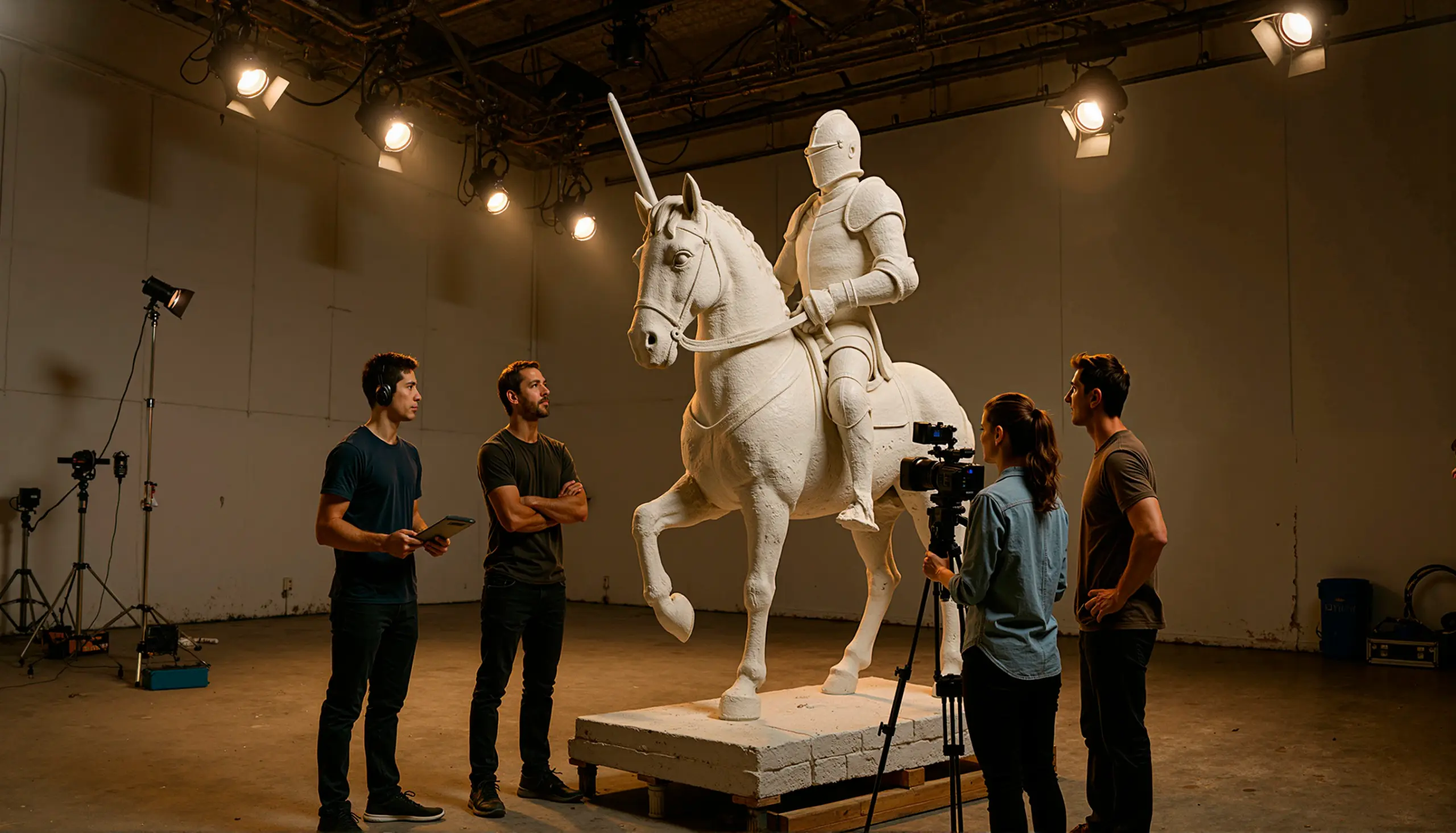
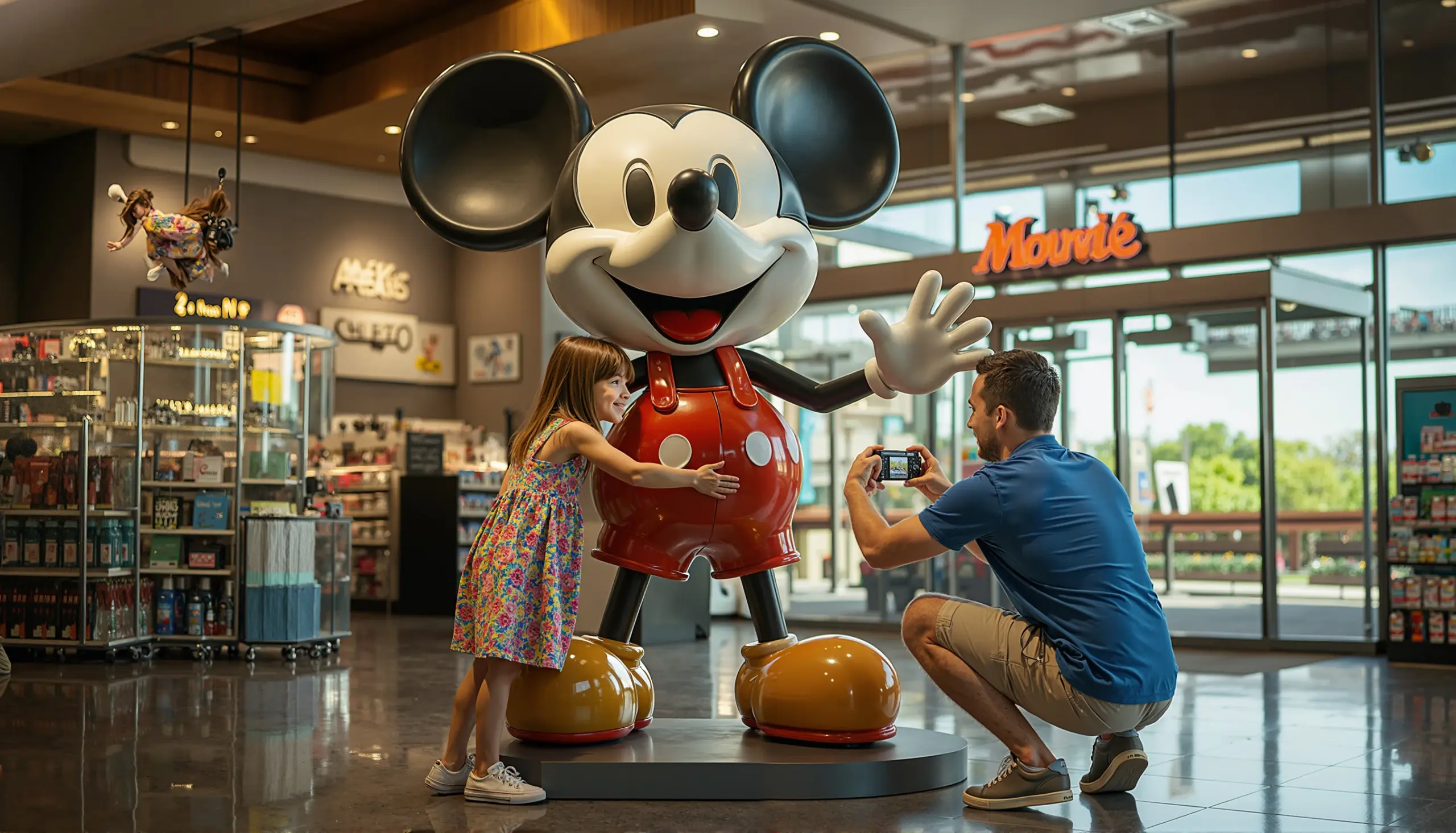
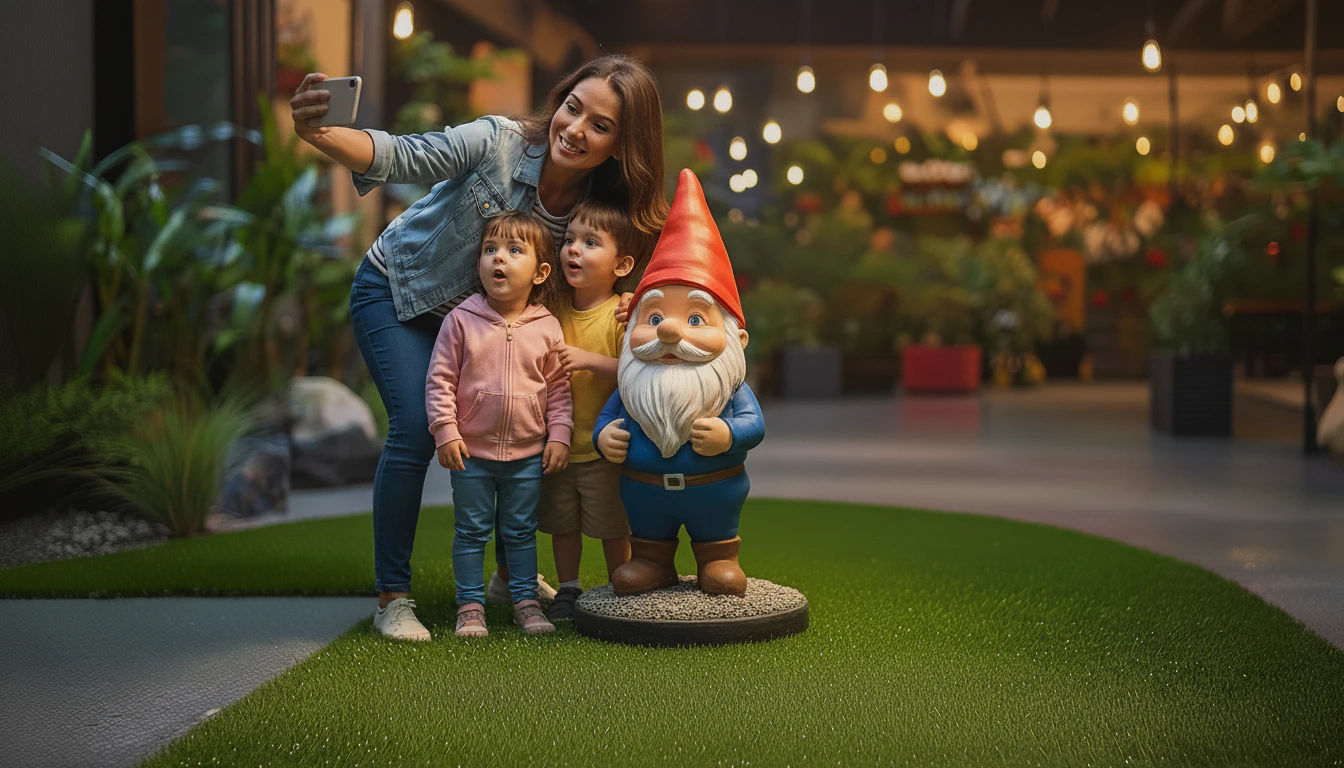
Foam characters are custom-cut three-dimensional elements made from high-density architectural foam. They can be small decorative pieces, brand lettering, oversized mascots, architectural accents, stylized shapes, or full sculptural compositions. Everything is manufactured in the U.S.A. at our own facility, giving clients full control over lead times and quality.
Modern foam board characters stand out for several reasons:
Weight Reduction
extremely lightweight, reducing installation labor
Precision Matching
high dimensional accuracy that matches CAD drawings
Durability
long-lasting protective coating applied at the factory
Design Customization
full custom design flexibility – from wood grain to stone or metal finish
And most importantly, they arrive fully finished. No priming, sanding, or on-site painting.
A deeper look at how foam became a modern architectural material
When we entered the market 25 years ago, architects were cautious about foam. Most preferred wood, metal, or gypsum simply because they were familiar. But we watched a long-term shift happen: retail clients needed faster remodels, hotels wanted lightweight decorative pieces for large lobbies, and event companies desperately needed mobile, durable, oversized letters and mascots. Foam solved all of it.
Today foam board character cutout elements are standard practice in experiential branding and architectural décor. Modern foam components mimic wood, stone, concrete, and brushed metal so realistically that even contractors often can’t tell the difference until they touch it.
Materials and production technology
We work with high-density architectural foam engineered for durability and precision. It is:
Sustainability
environmentally responsible
Handling Ease
lightweight
Climate Stability
moisture- and temperature-resistant
Workability
ideal for carving, shaping, and painting
How foam characters are made: our production workflow
This is the part our clients are always curious about – and the part we’re most proud of. Over decades, we built a workflow that ensures reliability, accuracy, and flawless finishing.
Design development & 3D modeling
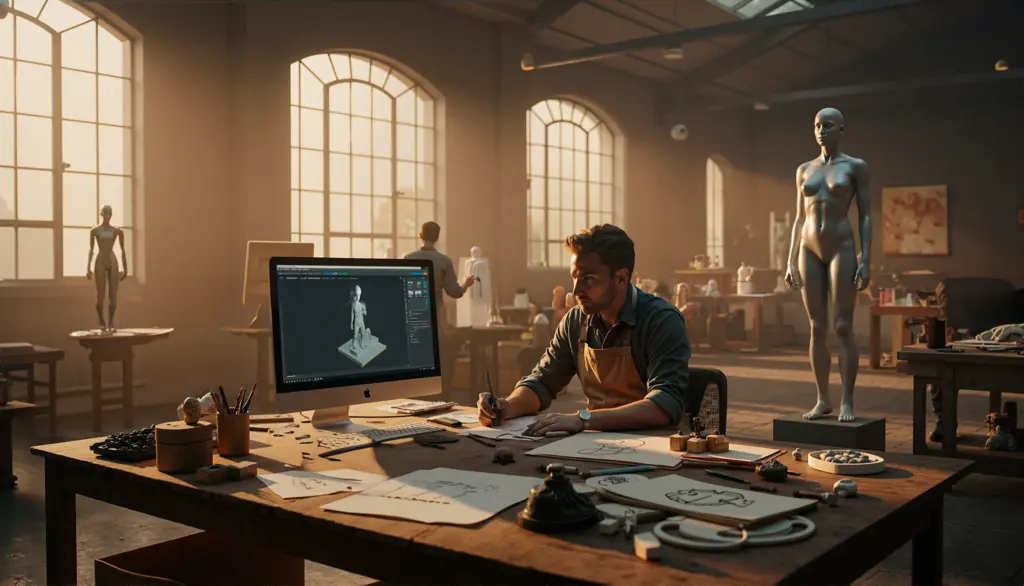
We analyze CAD drawings, images, brand guidelines, references, sketches – everything the client provides. It doesn’t matter whether the initial idea comes as a quick Pinterest screenshot or as a fully prepared technical drawing. We take that initial concept and develop it into a precise digital 3D model.
CNC cutting
We use industrial CNC machines to carve shapes from large foam blocks. This technology allows us to achieve incredible accuracy – down to a single millimeter. That’s exactly why clients trust us with foam characters for complex and highly detailed installations.
Hand refinement & finishing
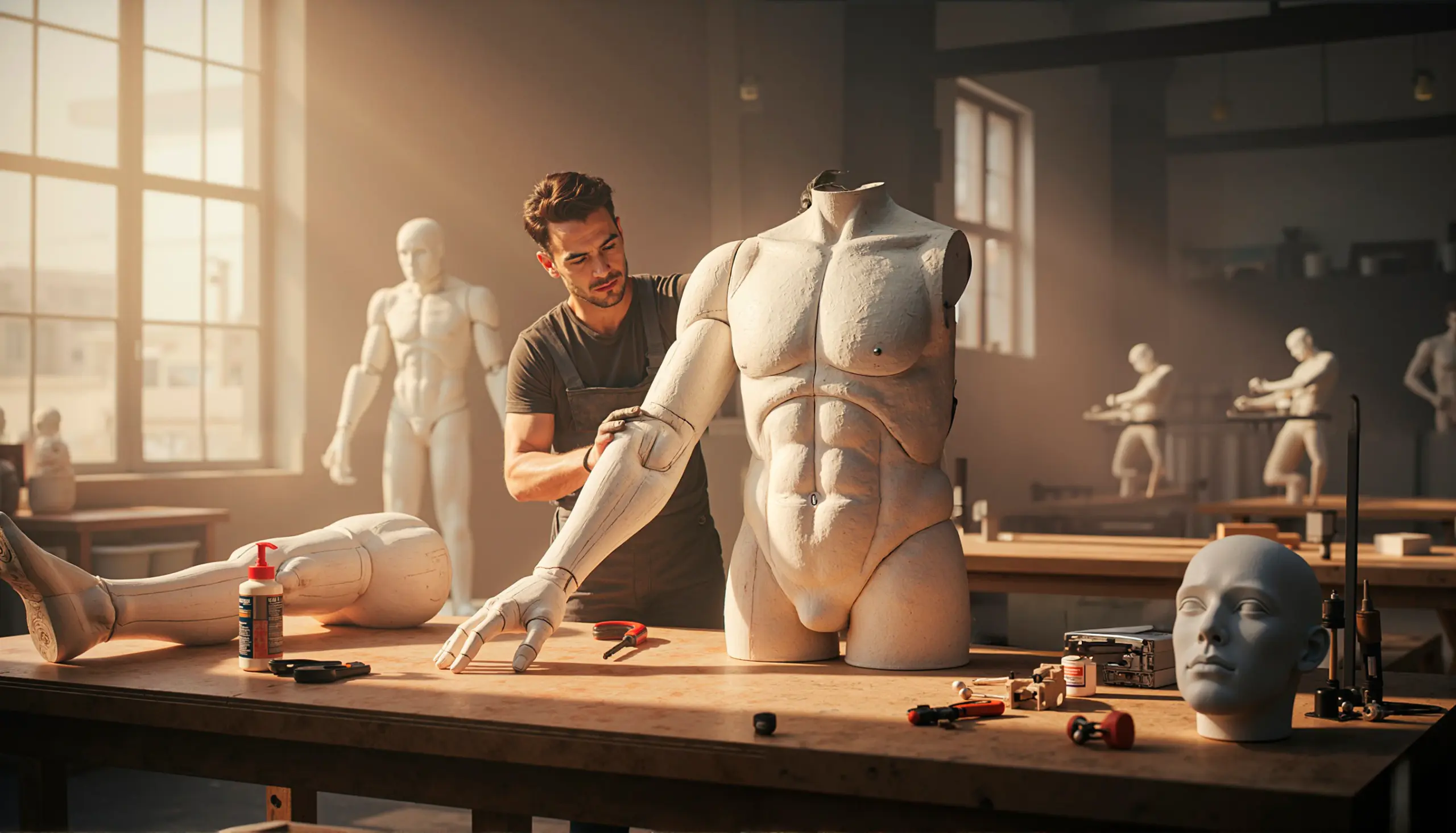
Once the CNC stage is complete, our craftsmen step in. They adjust and refine the details by hand, making forms look more realistic, smoothing curves, perfecting transitions, and preparing each surface for coating. This step is essential – and it’s where the artistry happens.
Realistic textures
This is one of our strongest advantages. We produce custom pieces, which means all textures and colors are also custom. Everything is matched individually to your project, sealed properly, and finished so realistically that, when people see the pieces in person, they often cannot distinguish our foam from the real component we’re emulating.
Protective coating
Every piece gets a durable architectural coating. This step ensures longevity outdoors and indoors.
Color matching & painting
We paint all the pieces at the factory. Clients often bring us tile samples, facade components, or brandbook colors – and we match them precisely.
Pre-assembly for easy installation
When size allows, we ship large pieces pre-assembled. That means fewer seams, fewer steps on site, and minimal installation time.
Every stage is controlled in-house at our U.S. facility – which is why our clients never worry about quality or consistency.
Shipping & logistics
Even oversized foam board characters ship easily thanks to reinforced packaging and rigid crates. We coordinate with trusted transportation partners to deliver nationwide – from Florida to Georgia, the Carolinas, Texas, and beyond. Clients especially appreciate predictability: deliveries arrive on time, in perfect condition.
Cost efficiency
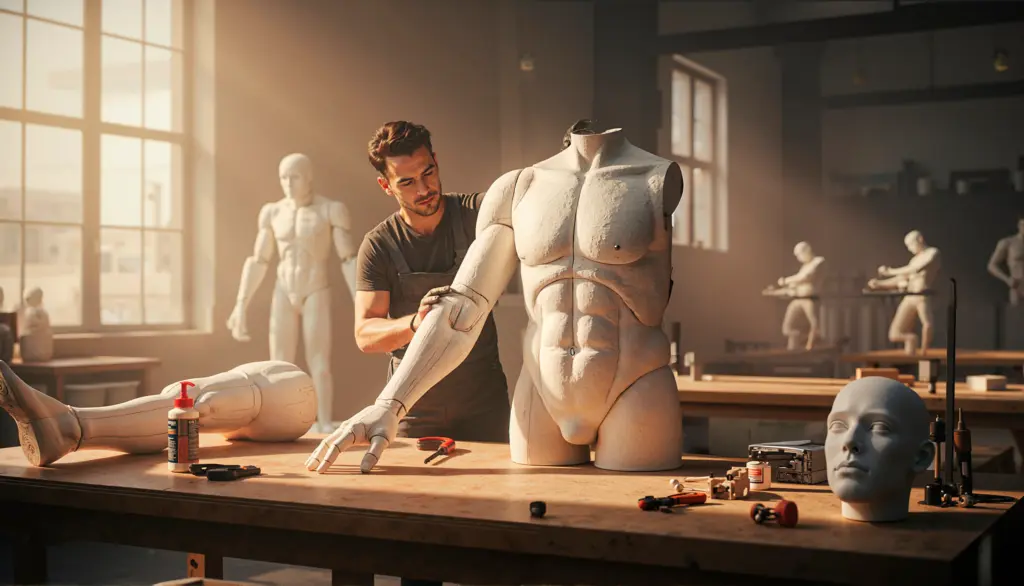 Foam dramatically reduces project costs in several key areas. Installation expenses drop significantly because foam elements don’t require any specialized heavy equipment or complex tools. That means you don’t have to spend money on renting additional machinery just to install the pieces. There’s also no need for lift equipment – the lightweight nature of foam allows installers to simply carry the components straight from the truck, often with just two or three people.
There are no extra painting or finishing costs either. Every piece arrives fully completed and installation-ready – all you need is adhesive and standard tools. Long-term maintenance expenses are also minimal, since foam is extremely easy to care for: a simple wipe-down is enough to keep it looking clean. It maintains its appearance regardless of weather conditions and typically lasts 10 to 20 years without any issues.
Traditional components we’re all familiar with may look impressive, but their heavy weight, complex installation requirements, and ongoing maintenance needs – especially with something like wood – significantly limit where and how they can be used. Foam characters, on the other hand, offer the same strong visual impact as natural or traditional components, but without any of the logistical challenges.
Where foam characters are used, with real-life examples
Retail & commercial spaces
Brands use foam board characters to shape memorable retail experiences.
For a Miami fashion retailer, we produced oversized concrete-texture letters for their seasonal launch zone. They looked like 400-lb blocks – but each weighed under 20 lbs and required only two installers.
Hospitality & entertainment
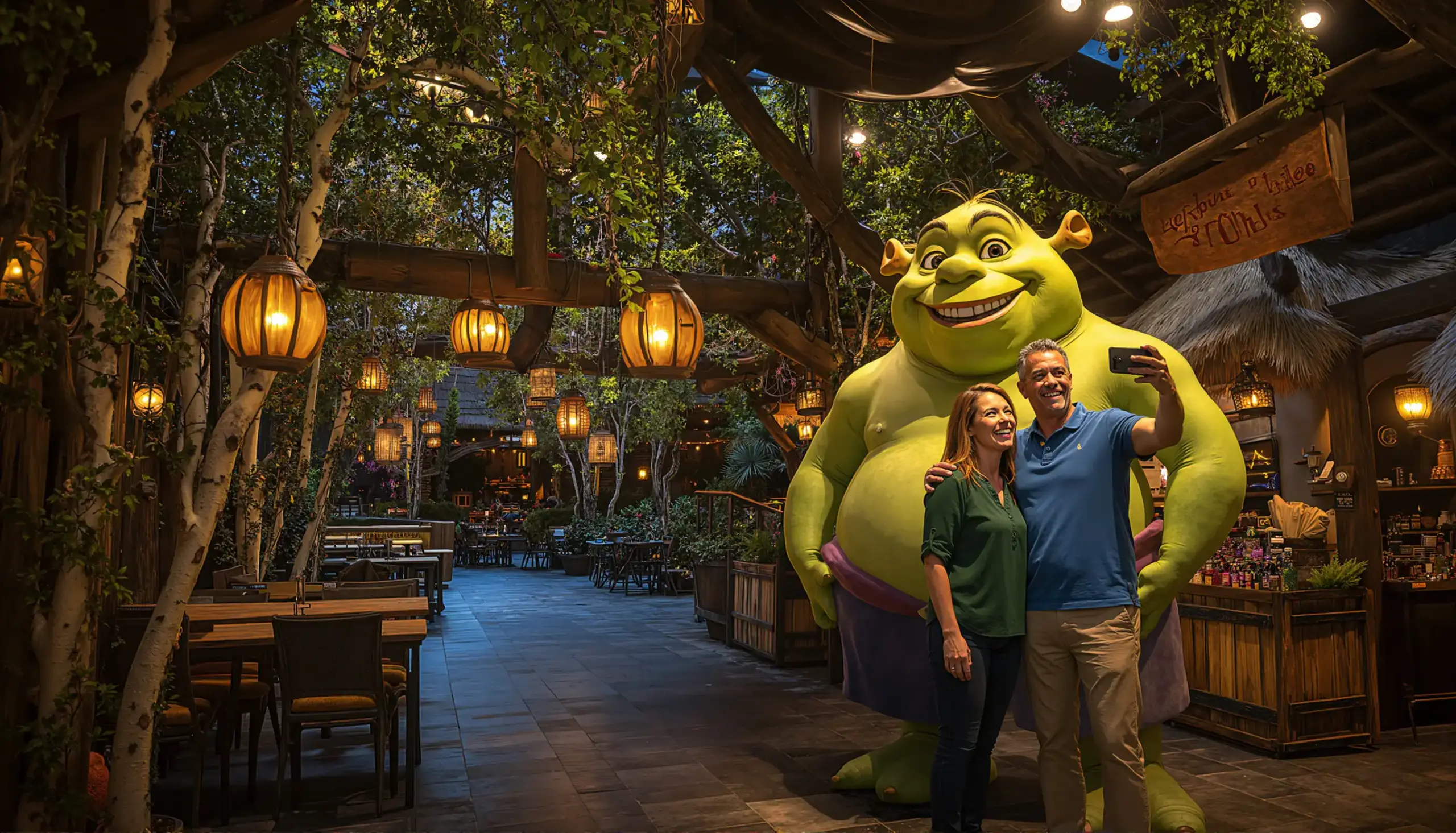
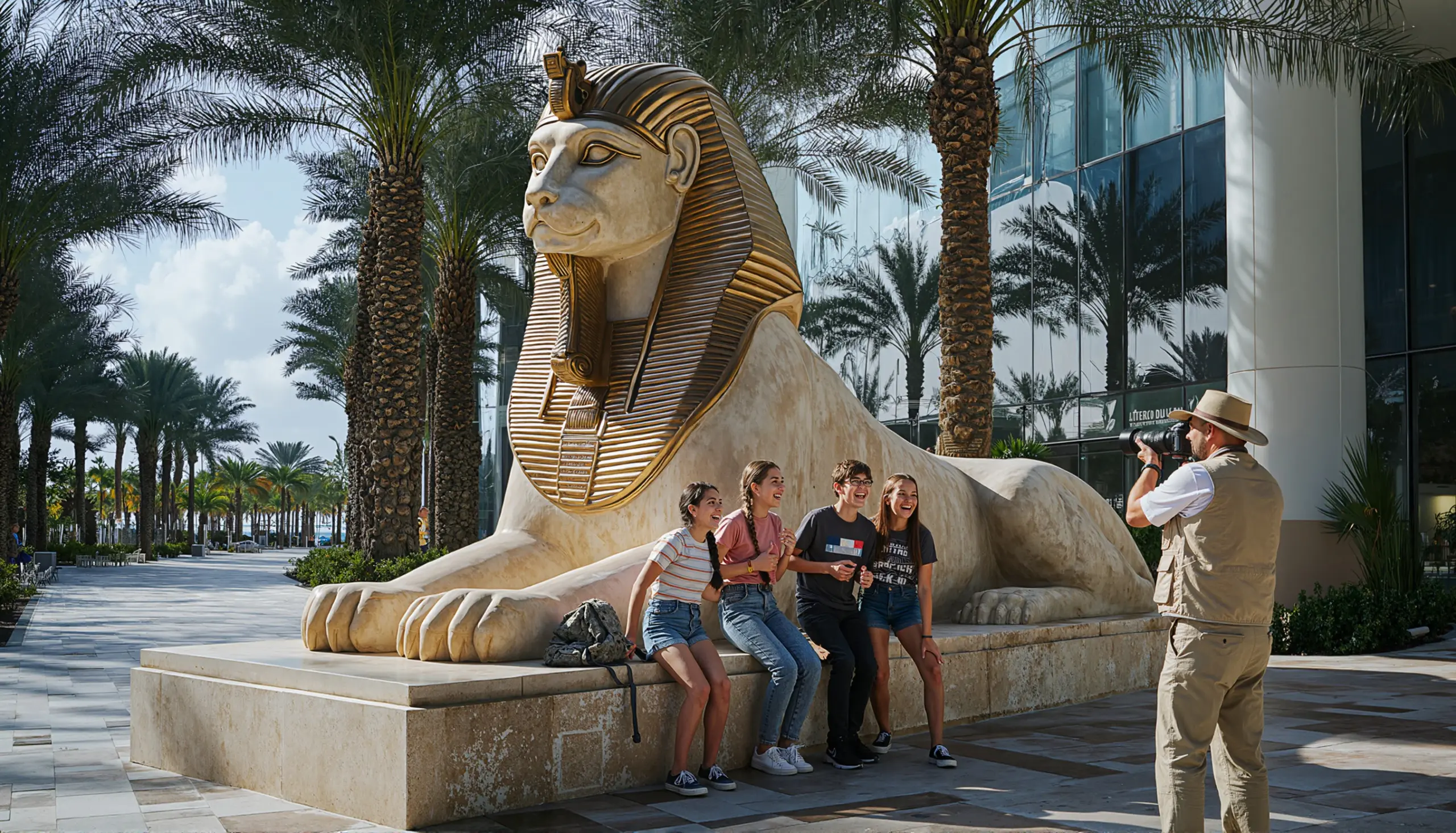
Resorts, hotels, themed spaces, and lobby areas often use foam elements to create a strong and memorable first impression. For example, a resort in Sarasota once invited us to fabricate a coastal-style seahorse sculpture for their property. We created a 7-foot-tall foam board character cutout, meticulously detailing every scale and finishing it with a beautiful metallic sheen. Guests couldn’t stop taking photos with it — the sculpture became a visual magnet. And even today, the hotel is strongly associated by its visitors with that very seahorse we created.
Architecture & real estate
We also produce architectural accents for facades, interior niches, decorative inserts, and statement elements for real estate projects. One of the more memorable projects was in Atlanta, where we developed geometric wall features for a modern residential building. The developer wanted something visually striking yet lightweight enough for installation on pre-finished panels. Foam handled this challenge flawlessly.
Marketing & events
Brands frequently come to us for foam pieces for corporate events, conferences, exhibitions, product launches, and even presentations of new restaurant menus. These elements help companies create a strong visual presence and elevate the impact of their marketing activities.
For a tech event in Orlando, we built giant logo letters – full foam board characters – in brand-specific PMS colors. They traveled across three states for a roadshow and still looked new.
Education & cultural spaces
Museums, galleries, student centers.
Once, we worked on a series of sculptural compositions for a museum in Savannah. We created complex, diverse shapes, layered surfaces, and integrated signage – all made from foam. Yet the final result looked like a genuine piece of contemporary art. Later, the curator told us that this particular corner had become the most photographed spot in the entire gallery. People simply couldn’t tell our pieces apart from real sculpture.
Sports & community events
Mascots, team logos, stage props.
A high school in Jacksonville commissioned a 10-foot mascot head for their stadium entrance. The original plan was fiberglass, but foam cut lead time in half and made installation possible without cranes.
Corporate interiors
Lobby statements, mission walls, 3D brand values, large logos
Tampa headquarters wanted a floating logo wall. Foam made it possible to install a massive sculptural logo onto glass partitions without stressing the structure.
Installation & maintenance
All of our pieces are delivered fully finished. They are primed, coated with a specialized protective layer, painted, and completely ready for installation. In addition, we provide full drawings and technical documentation. For more complex shapes, we also mark and label the elements so installers know exactly how to connect the parts and how to position them correctly. In most cases, installation requires nothing more than adhesive and basic tools.
Maintenance for our architectural forms is minimal. The protective coating preserves the appearance of each piece for up to 20 years.
Why working with Art Design is a long-term advantage
We combine:
- 25 years of industry experience
- U.S.-based production
- custom design capabilities
- 3D modeling
- color matching to physical samples
- 20-year warranty
- predictable lead times
- support from briefing to installation
Clients don’t just receive a product – they receive a complete, reliable solution.
Your next project can be faster, safer, and visually stronger
Foam is not a “cheap component.” It is a modern architectural tool that helps you:
- meet your deadlines
- reduce installation risks
- expand your offering
- increase margins
- gain creative freedom
- receive predictable results
If you want your next installation to look clean and polished, deliver a strong visual impact, meet all of your expectations for accuracy and detailing, and stay within optimal installation and delivery costs, just send us your idea, image or a request for a quote. We’ll prepare samples, 3D models, and everything you need to clearly understand how your project will look in real life.