














Foam Routed Signs
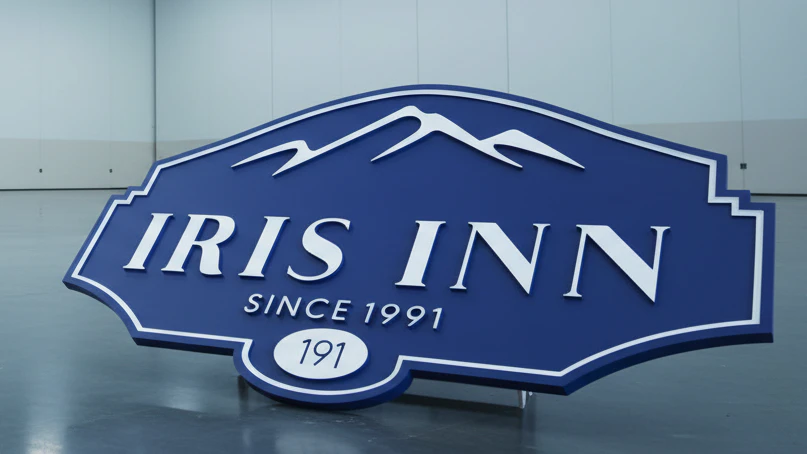
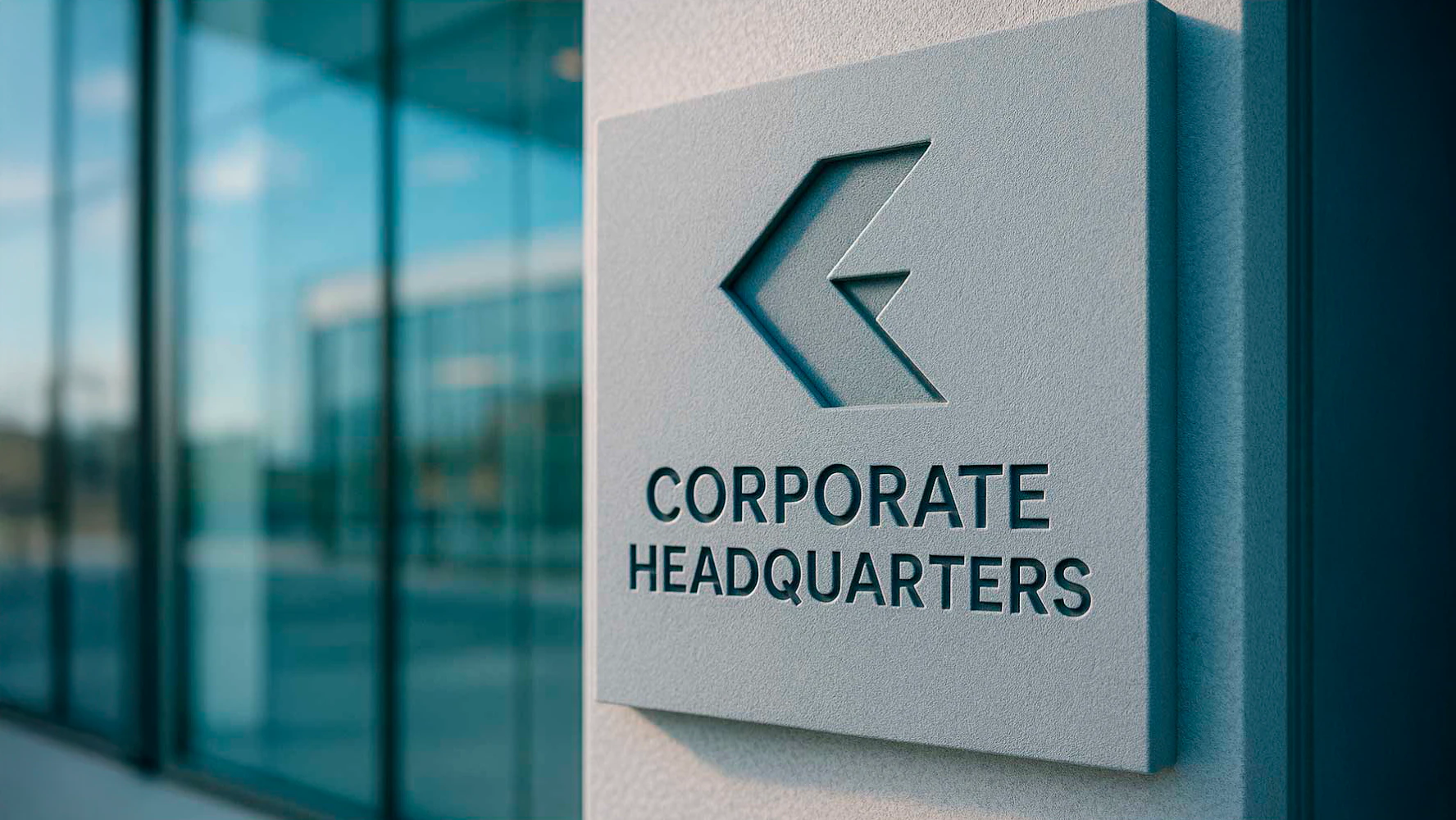
When you first see a foam routed sign, you might not even realize what it’s made of — and that’s exactly the point. It’s light but solid, affordable but elegant, simple to make but endlessly customizable. The kind of sign that looks like stone, metal, or wood, but is really a triumph of engineering and creativity.
We’ve spent over 25 years shaping foam into architectural forms, dimensional lettering, and decorative panels. Along the way, we’ve learned that foam is not just a material — it’s a language. It can whisper sophistication, shout innovation, or quietly blend into an environment like it’s always been there.
Foam relief signs are where creativity meets precision, where ideas become tangible — and where deadlines stop being scary.
What Makes Foam Routed Signs So Special?
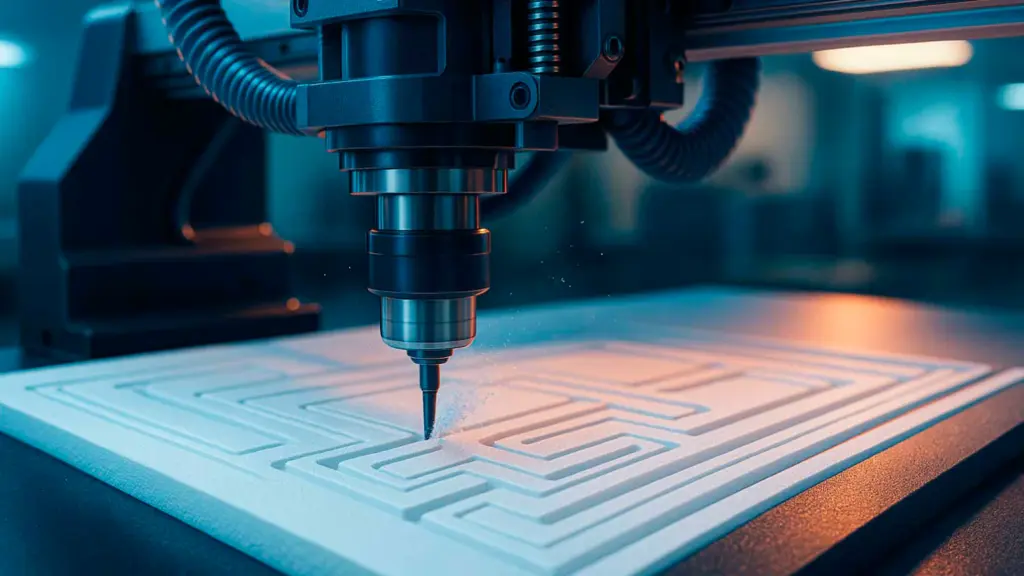
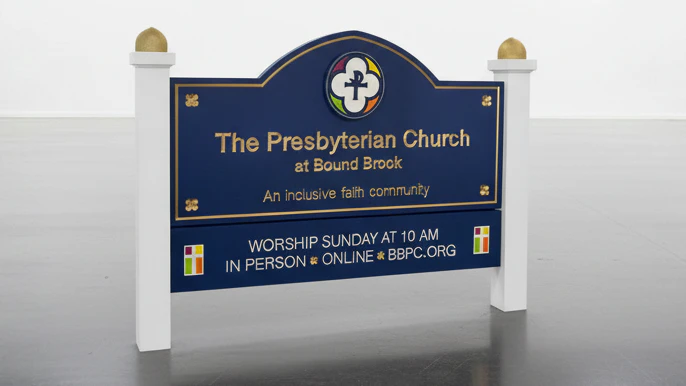
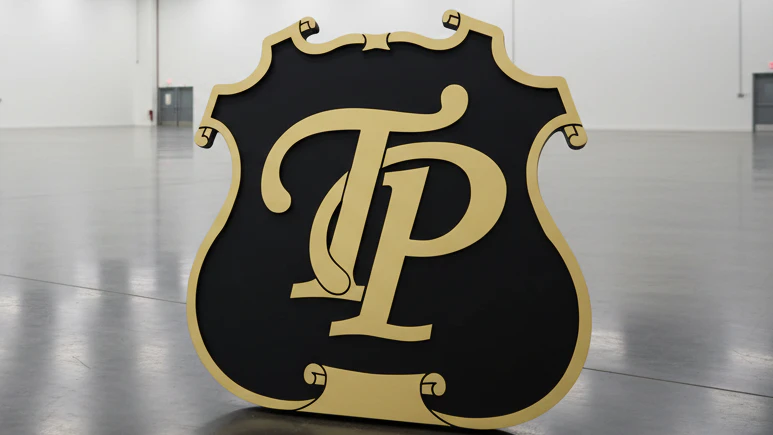
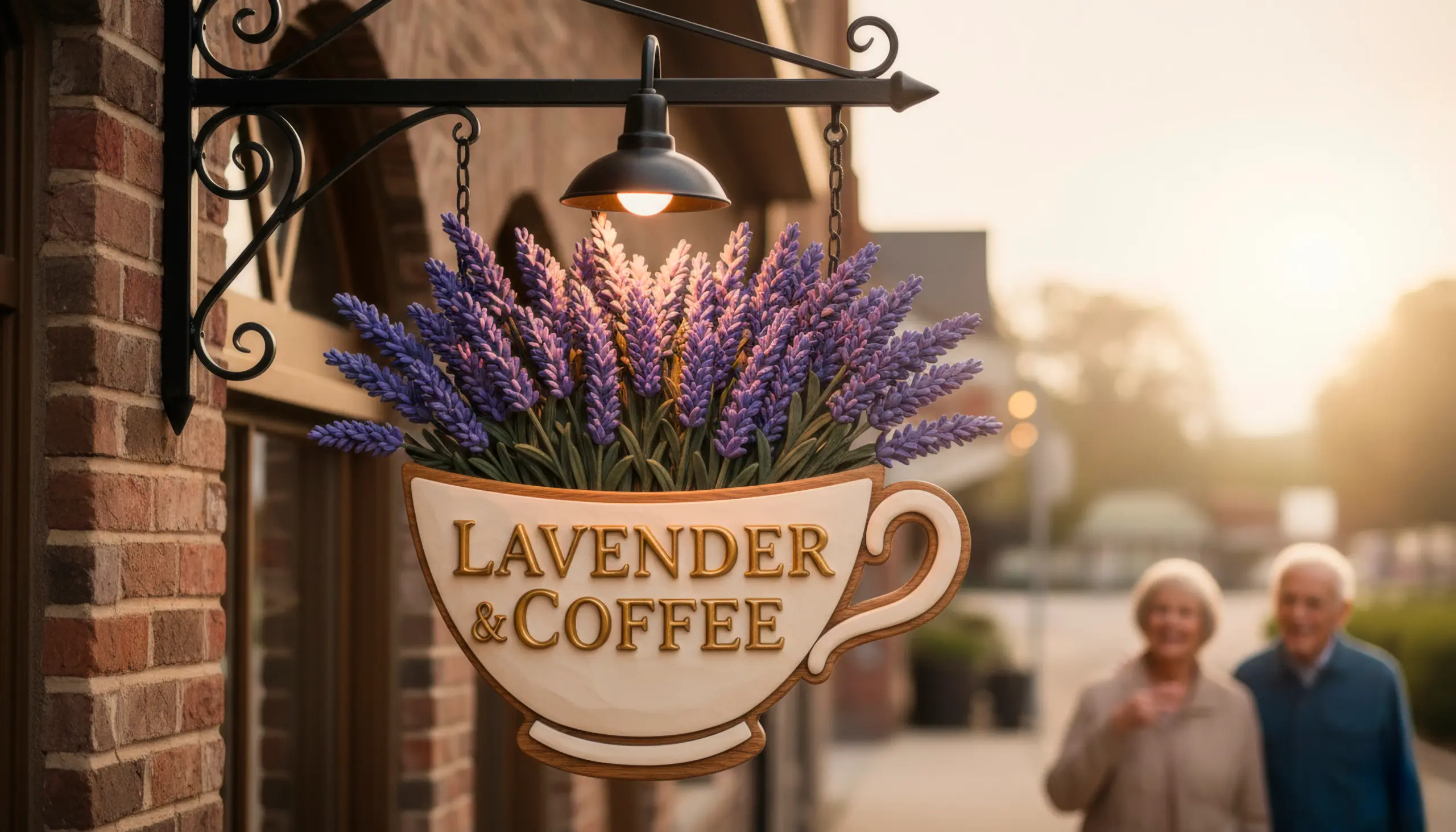
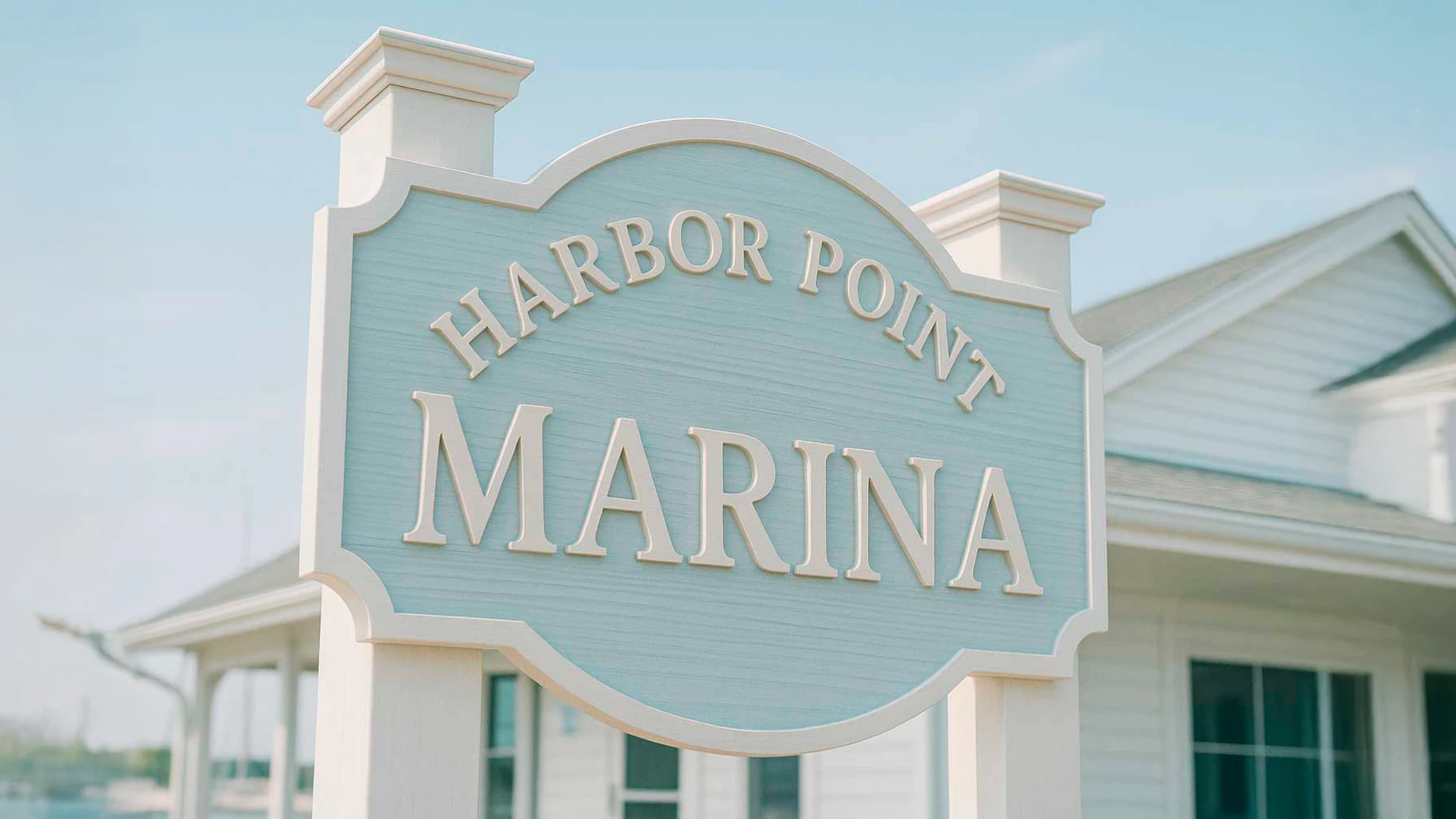
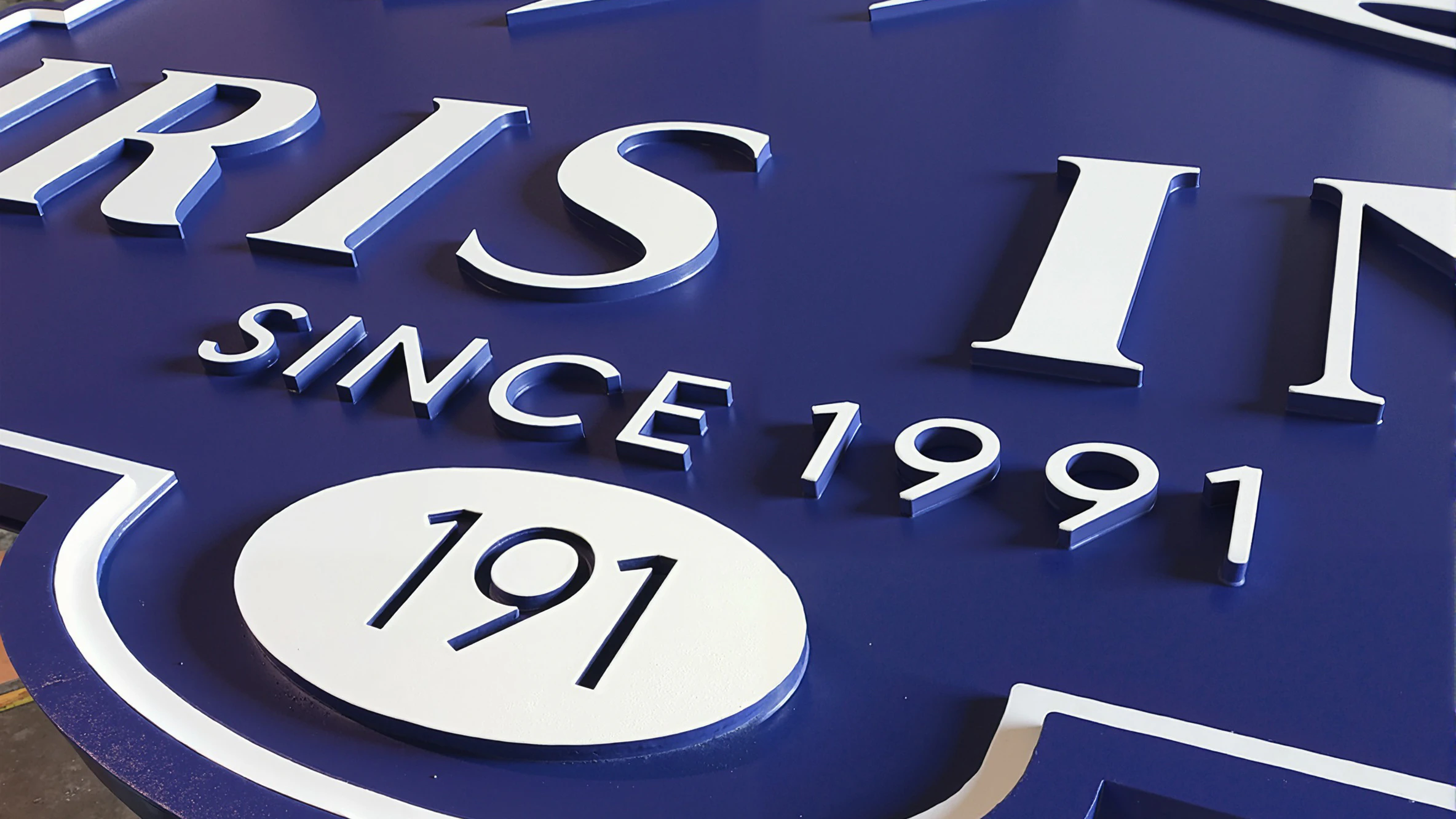
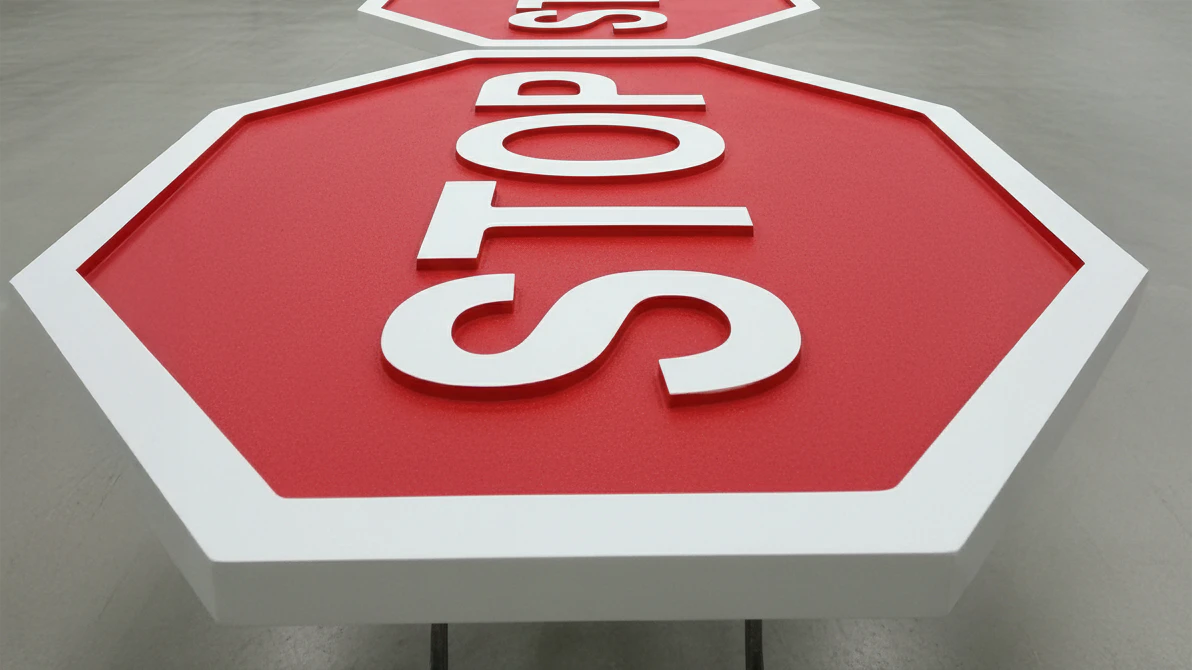
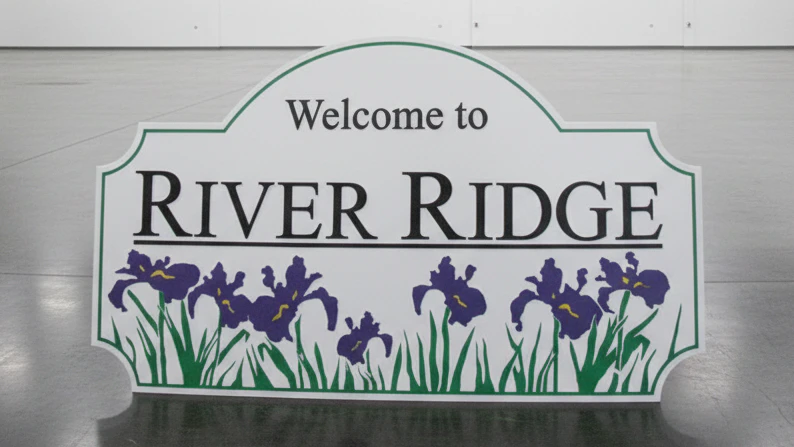 A foam relief sign starts as a high-density foam block — strong, lightweight, and ready to be transformed. CNC routing technology carves that foam into intricate shapes, smooth curves, and crisp lettering with astonishing accuracy. Then we coat it, paint it, and finish it to look exactly the way you want: glossy and modern, rough and rustic, metallic, matte, or anything in between.
Here’s the secret — most people can’t tell it’s foam. And that’s the magic we love.
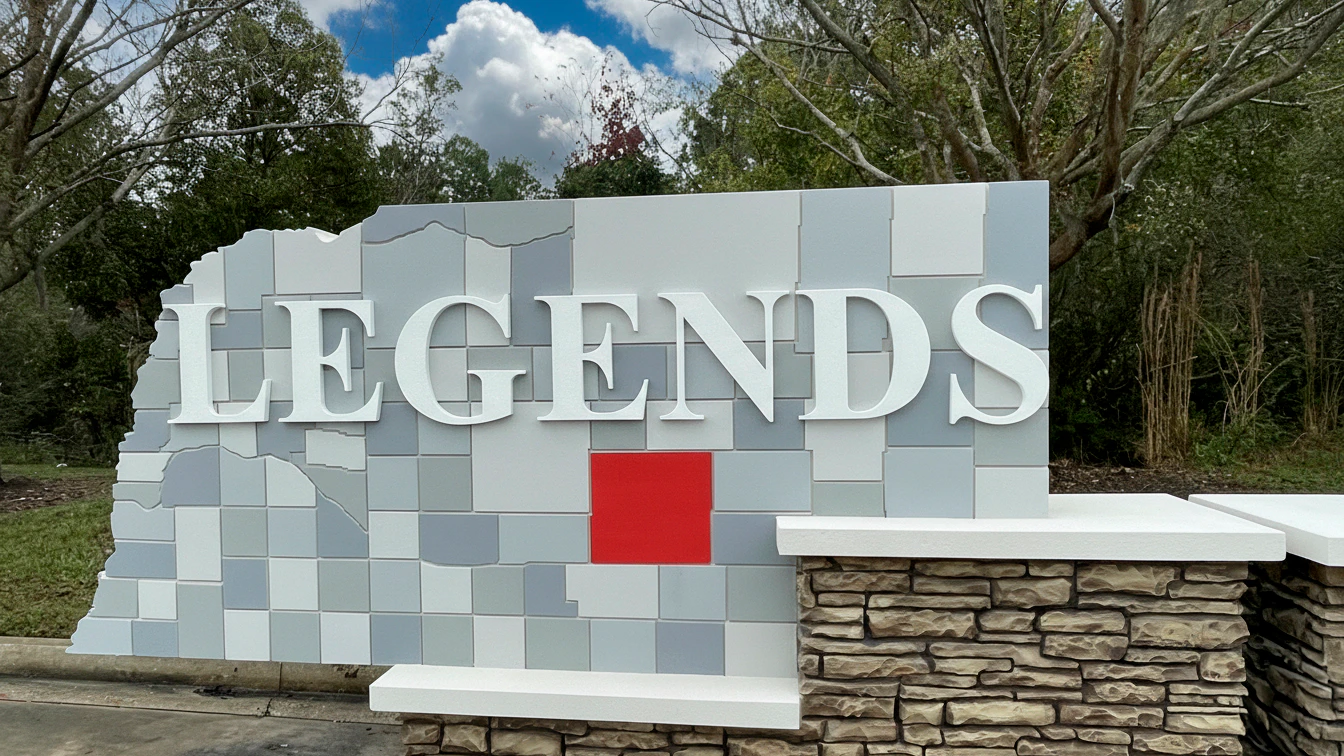
We once made an entry sign for a business park in Nevada. The client wanted something that looked like carved granite but couldn’t install heavy stone due to local zoning restrictions. Our routed foam sign mimicked every mineral speck and edge of real granite. When we finished, the project manager ran his hand across it and said, “This is foam? I don’t believe it.” That’s when you know you’ve done your job right.
Foam isn’t just “good enough.” Done properly, it’s exceptional.
The Power of Custom Foam Routed Signs
Every project has its own story — and every story deserves a custom solution. That’s why custom foam reified signs are the heart of what we do.
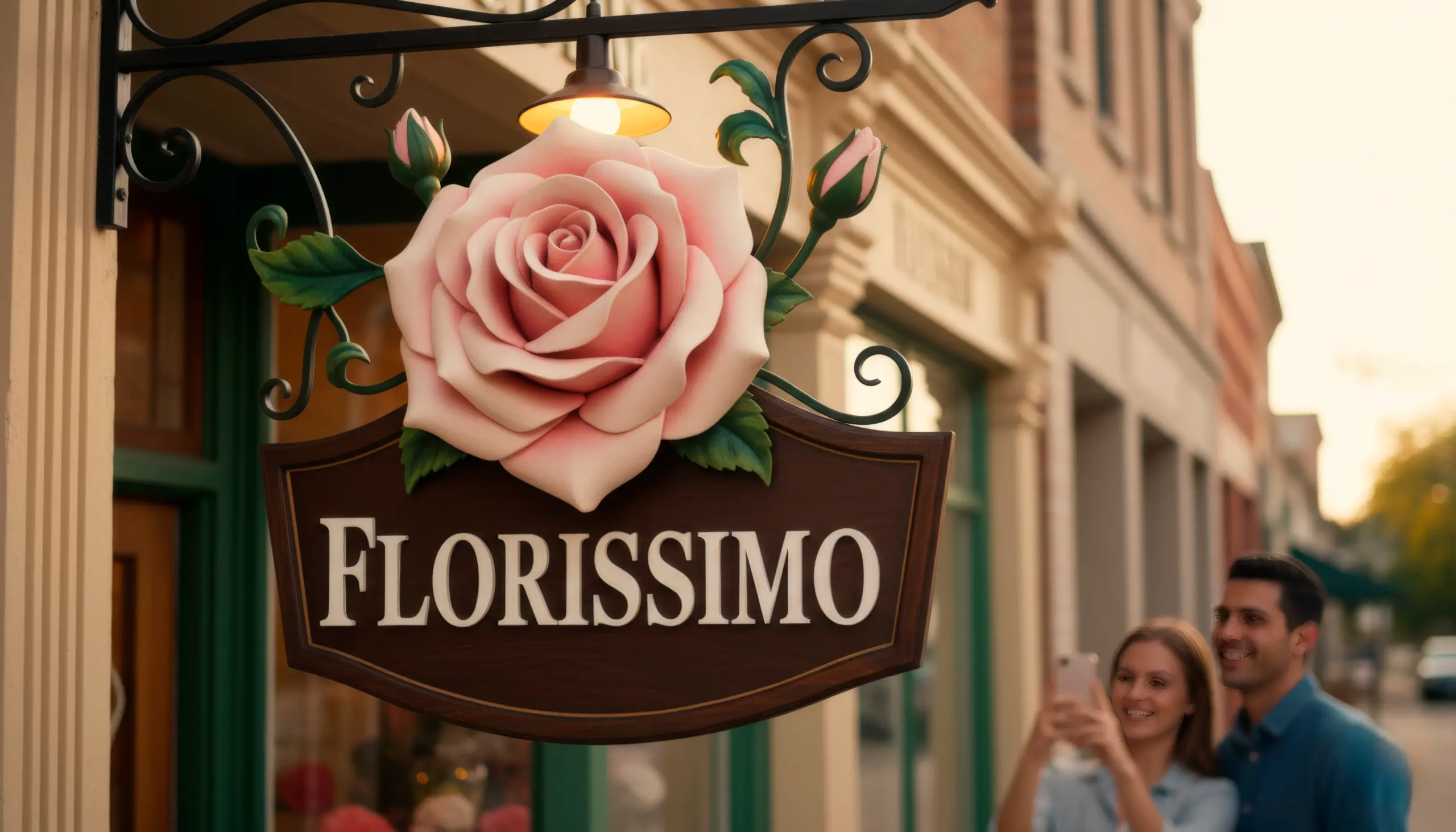
Customization isn’t about adding flair for the sake of it. It’s about harmony — fitting the look, tone, and purpose of your space. For a sleek tech firm, that might mean a brushed graphite finish. For a vineyard, maybe warm earth tones and hand-carved textures.
We consider:
- The architectural style of the building.
- The lighting conditions.
- The distance and angle from which people will view the sign.
- The emotional tone the client wants to convey.
One of our earliest projects — a theater marquee in Los Angeles — taught us a valuable lesson. Foam gave us the flexibility to replicate classic 1930s Art Deco ornamentation without breaking the budget. The owner told us later that people stop to take photos almost daily. That’s what great design does — it invites interaction.
Why Architects and Designers Love Foam
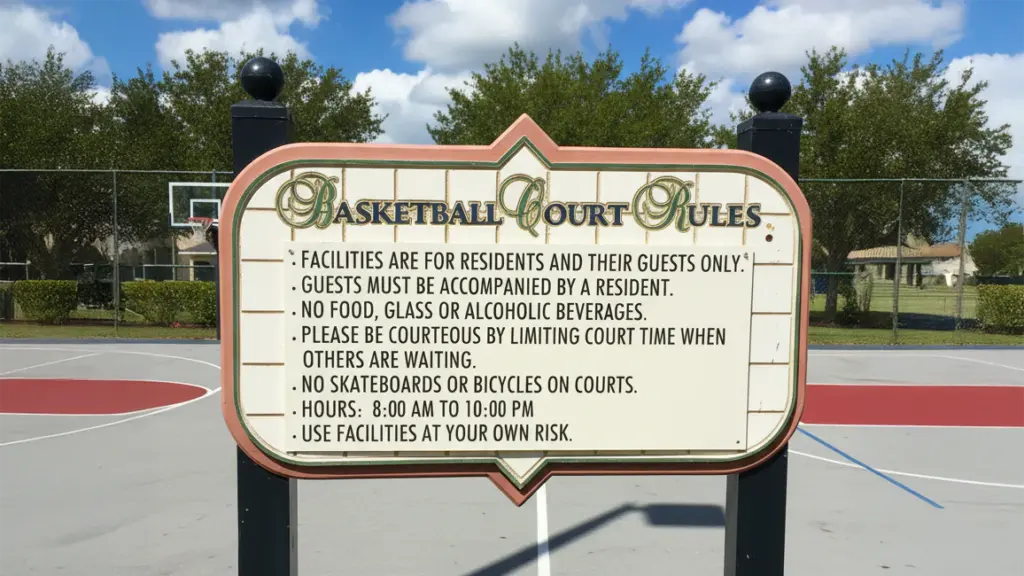 Foam gives designers freedom. It’s the “yes” material – raw blank material for signs.
You can route deep reliefs that would take weeks to carve in stone. You can curve letters, add intricate filigree, and still install everything by hand because it’s lightweight. It holds paint beautifully, takes texture like a dream, and lets you play with depth and shadow in ways traditional materials can’t.
Architects love it because it’s fast. Contractors love it because it’s simple. And designers love it because it makes ideas possible that used to live only in sketches.
We once collaborated with a luxury spa brand that wanted their logo to appear as if it were emerging from the wall — organic, smooth, and subtle. Foam made it possible to sculpt seamless transitions between the wall and lettering. No visible joints, no gaps, just flow. When the client walked in, she said, “It feels like it’s breathing.”
That’s the reaction we live for.
From Sketch to Sign: The Creative Process
Our process for building decorative foam routed signs is equal parts art and precision.
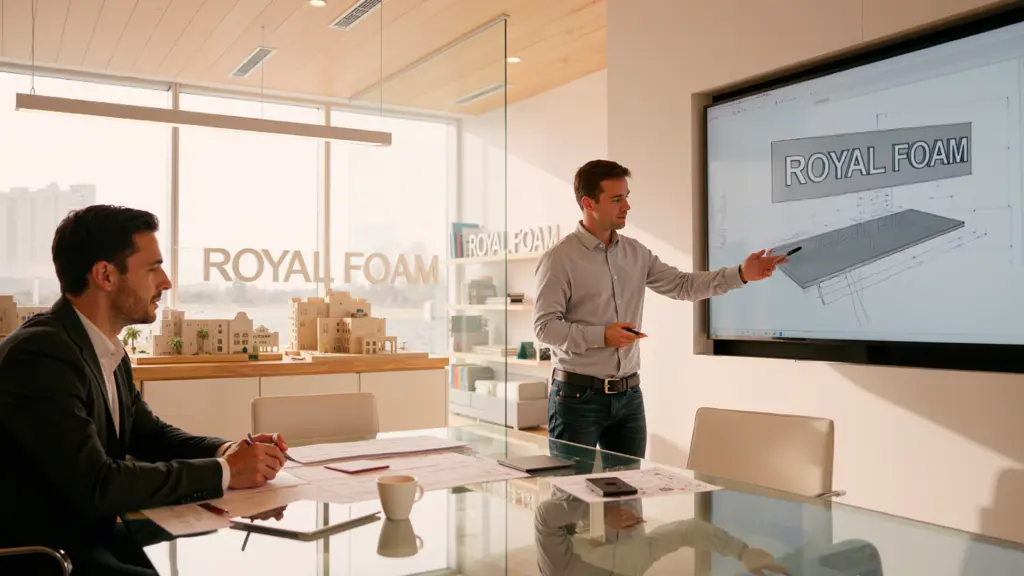
It starts with a sketch — or sometimes just a conversation. We ask what feeling you want your space to convey. Calm? Authority? Creativity? Once we understand that, our designers create digital renderings that show every curve, shadow, and color.
Then the routing begins — and that’s where the fun happens. Foam takes form fast. Within hours, the design begins to emerge in 3D, ready for coating and finishing. Depending on the project, we might use rigid polyurethane coatings, acrylic top layers, or custom paint blends to achieve a specific texture or sheen.
We’ve seen clients get emotional when they see their brand “in the flesh” for the first time — that moment when pixels turn into something you can touch.
After 25 years, that moment never gets old.
When Signs Become Architecture
Sometimes the best sign doesn’t hang on a building — it is the building. Foam allows us to blur the line between signage and architecture.
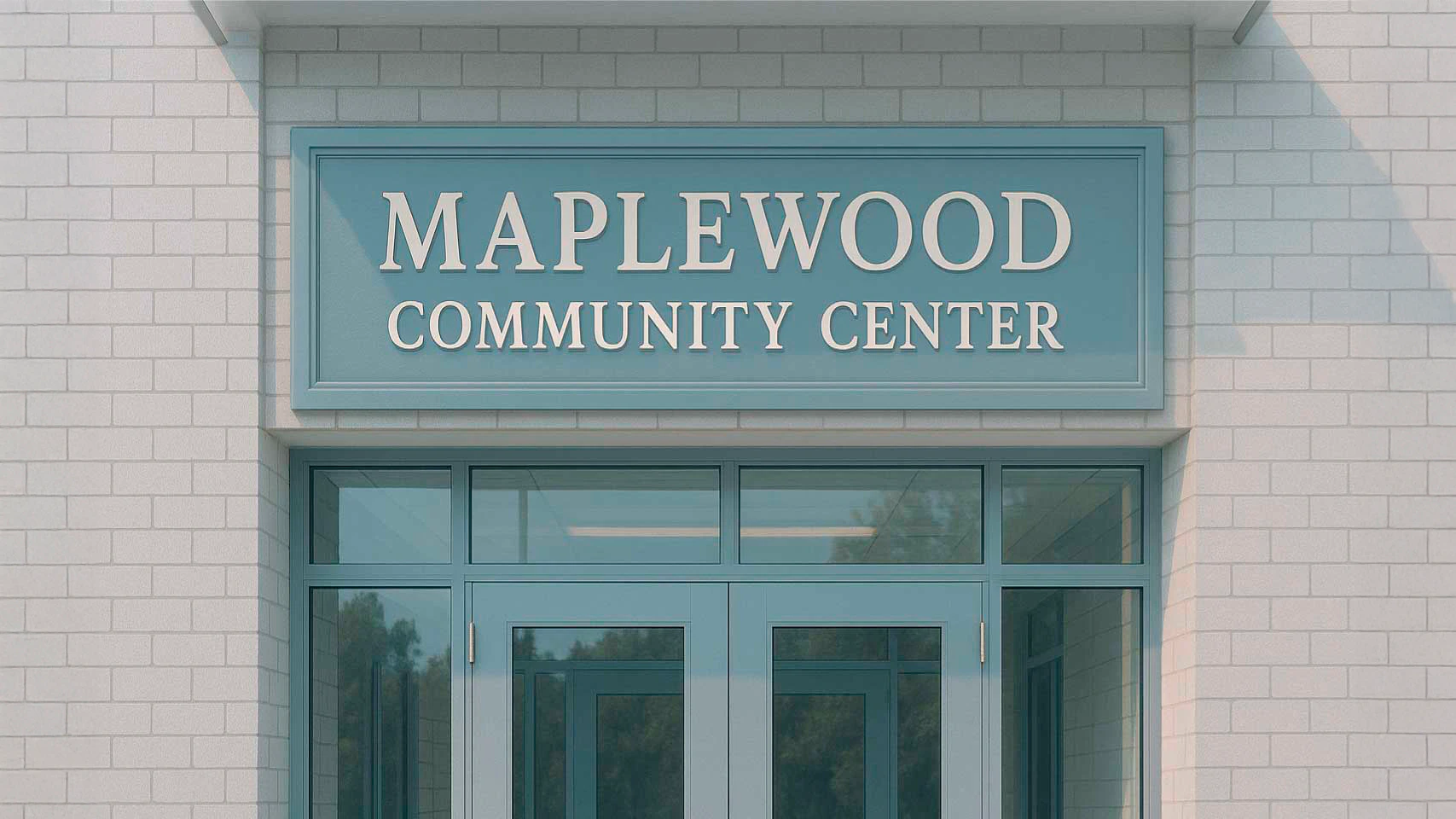
Take the public library in Portland we worked on a few years back. They wanted their name to appear like it was carved directly into the façade. Real stone carving would’ve taken months and tens of thousands of dollars. Instead, we routed foam panels, textured them to match the building’s stone, and integrated them seamlessly. Most visitors have no idea they’re not real masonry.
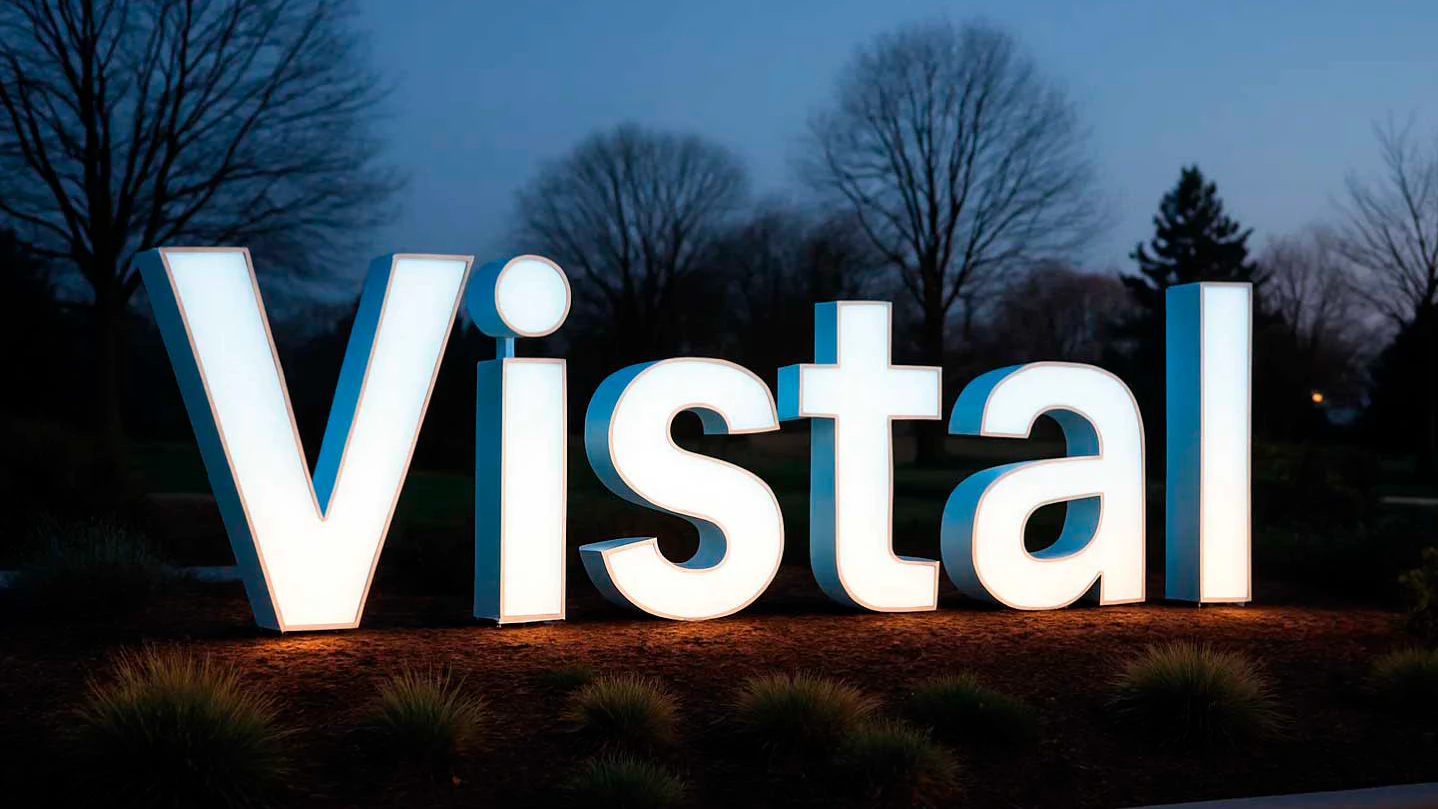
Foam is also perfect for large-scale letters or logos that act as sculptures. In one civic plaza, we built ten-foot-tall freestanding letters spelling out the city’s name — strong enough to lean on, light enough to move if needed. Kids climb on them, tourists take photos, and everyone remembers them.
That’s the kind of presence only foam can achieve without structural headaches.
The Practical Side of Beauty
Let’s talk about logistics — the unglamorous side that matters just as much.
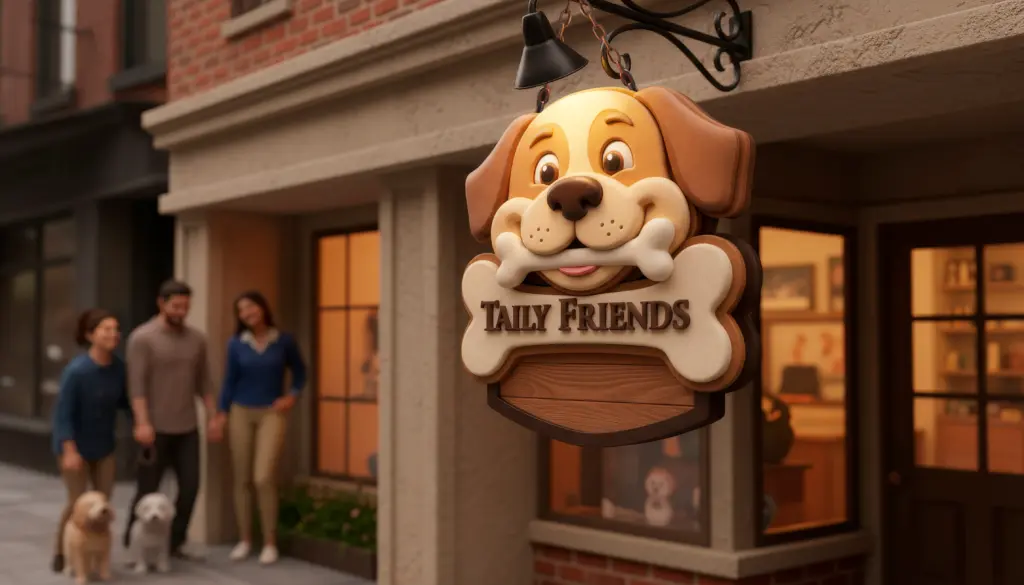 Foam is lightweight, which means lower shipping costs, easier installation, and fewer structural reinforcements. It’s weather-resistant when properly coated, and because it doesn’t warp or rust, maintenance is minimal.
We once did a shopping center sign in Arizona. Extreme heat, blazing sun, sandstorms — the works. We coated the foam with a high-durability elastomeric finish and UV-resistant paint. Seven years later, we drove past it — still looked brand new.
And when a local business needed to rebrand, they didn’t need a full replacement. We sanded the old lettering, applied a new finish, and turned around a “new” sign in under a week. Try doing that with metal.
Foam Lettering for Signs: Simple, Bold, and Smart
Foam lettering for signs offers endless possibilities for branding. You can go for minimalism — clean lines, soft colors, subtle shadows. Or you can go bold — deep reliefs, metallic sheens, or layered 3D effects.
One of our recent projects was a co-working hub in Seattle. The space had exposed concrete walls and a modern, industrial vibe. We routed oversized foam letters finished in matte black, mounted them flush against the wall with hidden anchors. The result? Subtle, strong, and effortlessly cool.
Lettering may seem simple, but it’s often the most emotionally resonant part of a design. The right typeface, the right depth, and the right finish can change the entire mood of a space.
We’ve learned to think of foam letters as design punctuation — the final exclamation mark on a brand’s identity.
Beyond Signs: Foam as an Architectural Element
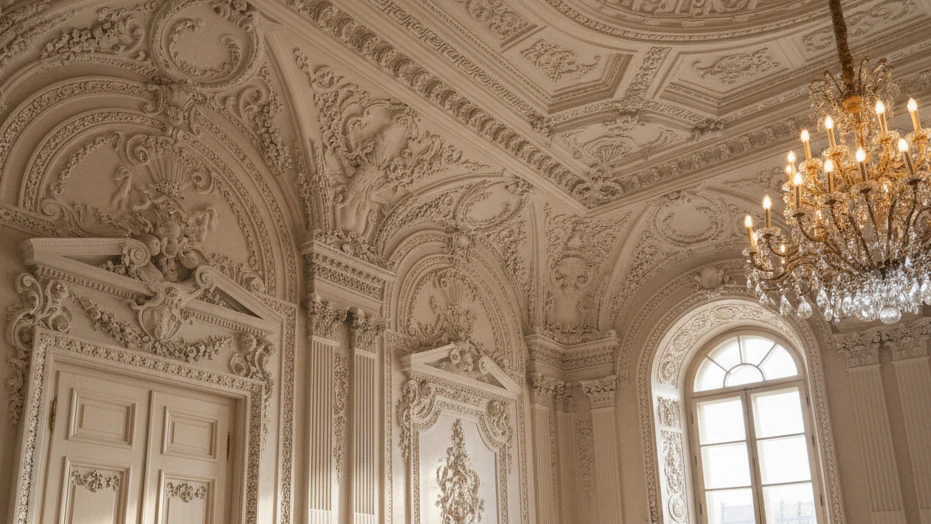
Foam isn’t limited to lettering or signage panels. Over the years, we’ve used foam to build cornices, columns, trims, arches, and even sculptural ceiling features. It’s a material that can enhance an entire building’s aesthetic while keeping weight and cost under control.
For a resort in Colorado, we crafted massive “wooden” beams — out of foam. Guests never noticed, but the construction team was thrilled: no cranes, no load-bearing worries, just easy installation and timeless style.
Another project — a church renovation — used foam for decorative moldings. They wanted to preserve a historical look but needed modern durability. Foam gave them both.
When you see the before-and-after photos, it’s hard not to smile. Foam doesn’t just imitate — it elevates.
The Real-World Benefits of Foam Routed Signs
After decades of hands-on experience, we can confidently list the biggest advantages of using foam for routed and decorative signage:
- Speed. Projects move from concept to completion in weeks, not months.
- Versatility. Foam works indoors and outdoors, modern or traditional.
- Lightweight Strength. Easy installation without heavy supports.
- Design Freedom. Curves, layers, textures — anything is possible.
- Cost Efficiency. Lower material, labor, and shipping expenses.
- Durability. With coatings, foam signs resist weather and time.
- Eco-Friendliness. Less waste, lighter shipping, smaller footprint.
Each of these isn’t just theory — we’ve seen them proven on real jobs, with real clients, under real pressure.
Craftsmanship That Speaks
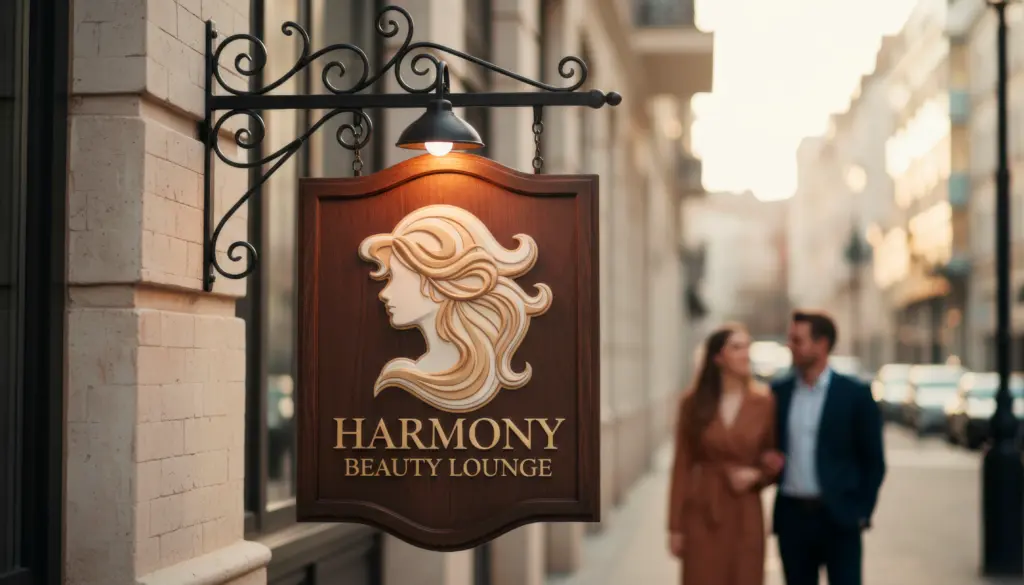 Every sign we make carries a bit of our story. Over 25 years, we’ve refined the balance between art and engineering. Our routing specialists adjust every bit speed, every cut depth, every pass — it’s not just machinery; it’s muscle memory.
We often say we don’t just build signs — we build experiences. Foam gives us that rare blend of creative control and structural reliability.
When a client tells us, “This looks better than I imagined,” that’s when we know the work speaks for itself.
The Future Is Foam
Trends come and go, but foam remains a designer’s best-kept secret. It keeps evolving — denser, smoother, stronger, greener. As sustainability and speed become non-negotiable, foam relief signs are moving from niche to mainstream.
We see it every day: developers choosing foam for large-scale façades, universities for campus signage, franchises for quick rollouts. It’s reliable, scalable, and beautiful.
And yes — after all these years, we still get excited when the router hums to life on a new project. Because we know what’s about to happen: an idea is becoming real.